

Hey there! As a supplier of Magnesium Desulfurization Reagent, I often get asked about the particle size requirements for this stuff. So, I thought I'd sit down and write a blog post to share what I know.
First off, let's talk about why particle size matters in magnesium desulfurization. When we're using magnesium as a desulfurization reagent, the reaction between magnesium and sulfur in the molten metal is a surface - area - dependent process. The smaller the particle size of the magnesium desulfurization reagent, the larger the surface area available for reaction. This means that a finer - grained magnesium reagent can react more quickly and efficiently with sulfur, leading to better desulfurization results.
However, it's not as simple as just going for the smallest particle size possible. There are several factors that we need to consider when determining the optimal particle size for magnesium desulfurization.
Reaction Kinetics
As I mentioned earlier, smaller particles have a larger surface area per unit mass. This increased surface area allows for more contact between the magnesium and sulfur, accelerating the reaction rate. In a steel - making process, where time is of the essence, a faster reaction can lead to shorter processing times and increased productivity. For example, in a basic oxygen furnace (BOF) or an electric arc furnace (EAF), a well - sized magnesium desulfurization reagent can quickly reduce the sulfur content in the molten steel, getting it to the desired level in a timely manner.
Handling and Safety
On the other hand, extremely small particles can pose handling and safety challenges. Fine magnesium powder is highly reactive and can be a fire and explosion hazard. It can easily catch fire when exposed to air or moisture, especially if there's a source of ignition nearby. So, while we want a small enough particle size for good reactivity, we also need to ensure that it's safe to handle. That's why there's usually a lower limit on the particle size of magnesium desulfurization reagents.
Dispersion in the Molten Metal
The particle size also affects how well the magnesium desulfurization reagent disperses in the molten metal. If the particles are too large, they may sink to the bottom of the molten bath before they have a chance to react fully with the sulfur. This can lead to uneven desulfurization and inefficient use of the reagent. On the other hand, if the particles are too small, they may float on the surface of the molten metal or be carried away by the gas bubbles generated during the reaction, also reducing their effectiveness.
Typical Particle Size Ranges
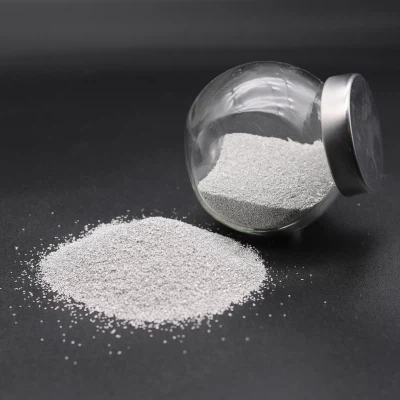
Based on years of experience and industry standards, the typical particle size range for magnesium desulfurization reagents is usually between 0.5 mm and 3 mm. This range strikes a good balance between reactivity, handling safety, and dispersion in the molten metal.
Particles in the 0.5 - 1 mm range offer a relatively large surface area for reaction, which can lead to fast desulfurization. They are also small enough to disperse well in the molten metal. However, they need to be handled with extra care due to their increased reactivity.
Particles in the 1 - 3 mm range are a bit more forgiving in terms of handling. They are less likely to pose a fire or explosion risk compared to the finer particles. And while their reaction rate may be slightly slower than the smaller particles, they still provide sufficient reactivity for most desulfurization applications.
Influence of Process Conditions
The optimal particle size can also vary depending on the specific process conditions. For instance, in a ladle desulfurization process, where the molten metal is relatively calm, a slightly larger particle size may be sufficient. The longer residence time of the reagent in the ladle allows for adequate reaction even with larger particles.
In contrast, in a more dynamic process like injection desulfurization, where the reagent is injected into the molten metal at high speed, smaller particles may be preferred. The high - speed injection helps to disperse the smaller particles quickly, and the short reaction time requires a high reactivity, which smaller particles can provide.

Other Forms of Magnesium in Desulfurization
Apart from the typical magnesium particles, there are other forms of magnesium used in desulfurization, such as Magnesium Chips Uses. Magnesium chips can have different particle size characteristics compared to regular magnesium particles. They are often used in certain applications where their shape and size can offer unique advantages, such as better flowability during the injection process.
Magnesium Alloys are also sometimes used as desulfurization reagents. The addition of other elements in the alloy can affect the reactivity and the optimal particle size. For example, an alloy with a certain element may have a different reaction mechanism with sulfur, which may require a different particle size for optimal performance.
Choosing the Right Supplier
If you're in the market for magnesium desulfurization reagents, it's crucial to choose a reliable supplier. Magnesium Desulfurization Reagent Manufacturers vary in terms of the quality and particle size control of their products. A good supplier will be able to provide you with reagents that meet your specific particle size requirements and ensure consistent quality.
When evaluating a supplier, look for one that has a good track record in the industry. They should be able to provide detailed information about the particle size distribution of their products, as well as any testing and quality control measures they have in place. A reliable supplier will also offer technical support to help you determine the best particle size for your particular desulfurization process.
Conclusion
In conclusion, the particle size of magnesium desulfurization reagents is a critical factor that affects the reactivity, handling, and effectiveness of the desulfurization process. While a smaller particle size generally offers better reactivity, we need to balance it with handling safety and dispersion in the molten metal. The typical particle size range of 0.5 - 3 mm is a good starting point, but the optimal size can vary depending on the specific process conditions.
If you're interested in purchasing magnesium desulfurization reagents or have any questions about particle size requirements, feel free to reach out. We're here to help you find the best solution for your desulfurization needs. Whether you're in the steel - making industry or any other industry that requires desulfurization, we can provide you with high - quality reagents and expert advice. Let's start a conversation and see how we can work together to improve your desulfurization process.
References
- "Handbook of Ferroalloys" by G. Effenberger
- "Steelmaking and Refining Processes" by J. F. Elliott