

As a supplier of magnesium metal turnings, I often receive inquiries from various industries about the potential applications of our product. One question that has recently piqued my interest is whether magnesium metal turnings can be used in the leather industry. In this blog post, I will explore this topic in detail, examining the properties of magnesium metal turnings and the requirements of the leather industry to determine if there is a viable use case.
Properties of Magnesium Metal Turnings
Magnesium metal turnings are small, thin pieces of magnesium metal that are typically produced during the machining process. They have several unique properties that make them attractive for a variety of applications.
- High Reactivity: Magnesium is a highly reactive metal, which means it can readily react with other substances. This reactivity makes it useful in chemical reactions, such as the Magnesium Turnings For Grignard Reaction, where it is used to form carbon-carbon bonds.
- Lightweight: Magnesium is one of the lightest structural metals, with a density of only 1.74 g/cm³. This makes it an ideal material for applications where weight is a concern, such as in the aerospace and automotive industries.
- Good Thermal Conductivity: Magnesium has excellent thermal conductivity, which means it can transfer heat quickly and efficiently. This property makes it useful in applications where heat dissipation is important, such as in electronic devices.
- Corrosion Resistance: Magnesium has a natural oxide layer that provides some protection against corrosion. However, it is still susceptible to corrosion in certain environments, such as in the presence of saltwater or acidic solutions.
Requirements of the Leather Industry
The leather industry is a complex and diverse industry that involves the processing of animal hides and skins into various leather products. The leather manufacturing process typically involves several stages, including soaking, liming, deliming, bating, tanning, and finishing. Each stage of the process requires the use of specific chemicals and materials to achieve the desired results.
- Tanning Agents: Tanning is the process of converting raw hides and skins into leather by treating them with tanning agents. The most commonly used tanning agents are chromium salts, which are known for their excellent tanning properties and durability. However, chromium salts are also associated with environmental and health concerns, which has led to the development of alternative tanning agents, such as vegetable tannins and synthetic tanning agents.
- Dyes and Pigments: Dyes and pigments are used to color the leather and give it a desired appearance. The choice of dyes and pigments depends on the type of leather, the desired color, and the intended use of the leather product.
- Finishing Agents: Finishing agents are used to protect the leather, improve its appearance, and enhance its performance. The most commonly used finishing agents are waxes, oils, and polymers, which can provide water resistance, stain resistance, and durability.
Potential Applications of Magnesium Metal Turnings in the Leather Industry
Based on the properties of magnesium metal turnings and the requirements of the leather industry, there are several potential applications of magnesium metal turnings in the leather industry.
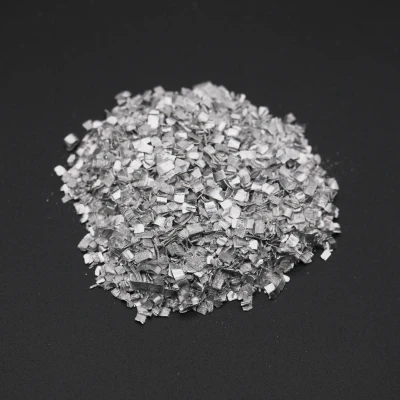

- Tanning Agent: Magnesium salts have been shown to have some tanning properties, which suggests that magnesium metal turnings could potentially be used as a tanning agent. However, more research is needed to determine the effectiveness of magnesium salts as a tanning agent and to develop a suitable process for using magnesium metal turnings in the tanning process.
- Dye and Pigment Fixative: Magnesium salts can also be used as a fixative for dyes and pigments, which can improve the color fastness and durability of the leather. This suggests that magnesium metal turnings could potentially be used as a dye and pigment fixative in the leather industry.
- Finishing Agent: Magnesium salts can be used to improve the water resistance and stain resistance of the leather, which suggests that magnesium metal turnings could potentially be used as a finishing agent in the leather industry.
Challenges and Limitations
While there are several potential applications of magnesium metal turnings in the leather industry, there are also several challenges and limitations that need to be addressed.
- Reactivity: Magnesium is a highly reactive metal, which means it can react with other substances in the leather manufacturing process. This could potentially lead to unwanted side reactions and affect the quality of the leather.
- Corrosion Resistance: Magnesium is susceptible to corrosion in certain environments, which could potentially affect the durability and performance of the leather.
- Cost: Magnesium metal turnings are relatively expensive compared to other materials used in the leather industry, which could potentially limit their use in large-scale applications.
Conclusion
In conclusion, while there are several potential applications of magnesium metal turnings in the leather industry, more research is needed to determine the effectiveness and feasibility of using magnesium metal turnings in the leather manufacturing process. The challenges and limitations associated with the use of magnesium metal turnings, such as reactivity, corrosion resistance, and cost, need to be addressed before magnesium metal turnings can be widely adopted in the leather industry.
As a supplier of magnesium metal turnings, I am committed to working with the leather industry to explore the potential applications of magnesium metal turnings and to develop innovative solutions that meet the needs of our customers. If you are interested in learning more about the potential applications of magnesium metal turnings in the leather industry or if you have any questions or comments, please do not hesitate to contact me. I would be happy to discuss your needs and provide you with more information about our products and services.
References
- "Magnesium: Properties, Applications, and Production." Magnesium Association, 2023.
- "Leather Manufacturing Process." Leather Naturally, 2023.
- "Tanning Agents and Processes." International Union of Leather Technologists and Chemists Societies, 2023.