

Hey there! As a supplier of desulfurized magnesium metal, I've been getting a lot of questions lately about how the addition method of this metal affects the desulfurization effect. So, I thought I'd take some time to break it down for you all.
First off, let's talk a bit about why desulfurization is so important. Sulfur in metals can cause a whole bunch of problems. It can reduce the ductility and toughness of the metal, making it more prone to cracking and failure. In the case of steel, high sulfur content can also lead to hot shortness, which is a real headache during the manufacturing process. That's where desulfurized magnesium metal comes in handy. It's a powerful desulfurizing agent that can help remove sulfur from the metal and improve its overall quality.
Now, onto the main topic: how the addition method affects the desulfurization effect. There are a few different ways to add desulfurized magnesium metal to the metal melt, and each method has its own pros and cons.
Injection Method
One of the most common methods is the injection method. In this process, the desulfurized magnesium powder is injected directly into the metal melt using a lance. This method has a few advantages. First of all, it allows for a very precise control of the amount of magnesium being added. You can adjust the injection rate based on the sulfur content of the metal and the desired desulfurization level.
Another big plus is that the injection method ensures good mixing of the magnesium with the metal melt. The high - pressure injection helps to disperse the magnesium particles evenly throughout the melt, which means more efficient sulfur removal. The magnesium reacts with the sulfur in the melt to form magnesium sulfide (MgS), which can then be easily removed as slag.
However, the injection method also has some drawbacks. It requires specialized equipment, like the injection lance and a powder feeder. This equipment can be expensive to purchase and maintain. Also, if the injection process isn't done correctly, it can lead to splashing and other safety hazards.
Top - Addition Method
The top - addition method is another option. As the name suggests, in this method, the desulfurized magnesium metal is simply added to the top of the metal melt. This is a relatively simple and low - cost method. You don't need a lot of fancy equipment, and it can be done quickly.
But there are some limitations. The mixing of the magnesium with the metal melt may not be as thorough as in the injection method. The magnesium may float on the surface of the melt for a while, and it might not react with all the sulfur evenly. This can result in a less effective desulfurization process, especially if the melt is large.
Bottom - Blowing Method
Then there's the bottom - blowing method. In this case, the desulfurized magnesium powder is blown into the metal melt from the bottom. This method has the advantage of creating better circulation in the melt. The rising gas bubbles from the bottom - blowing action help to stir the melt, which promotes better mixing of the magnesium with the sulfur in the metal.
Like the injection method, it also requires some specialized equipment, such as a bottom - blowing nozzle. And there can be some issues with nozzle clogging over time, which can disrupt the desulfurization process.
Impact on Desulfurization Effect
The addition method can have a significant impact on the desulfurization effect. For example, the injection method usually leads to a higher desulfurization efficiency because of the better mixing. When the magnesium is well - dispersed in the melt, it has more opportunities to react with the sulfur. You can expect to achieve a lower sulfur content in the final metal product using this method.
On the other hand, the top - addition method may result in a less consistent desulfurization effect. Some areas of the melt may have a higher sulfur content than others because the magnesium didn't mix evenly. This can lead to variations in the quality of the final product.
The bottom - blowing method can also be quite effective, especially for large - scale metal production. The enhanced circulation helps to reduce the sulfur content more uniformly throughout the melt.
Other Factors Affecting Desulfurization
It's important to note that the addition method isn't the only factor that affects the desulfurization effect. The temperature of the metal melt is crucial. A higher temperature generally speeds up the chemical reaction between magnesium and sulfur, but it also means that the magnesium may vaporize more quickly. So, you need to find the right balance.
The grain size of the desulfurized magnesium powder also matters. Smaller particles have a larger surface area, which means they can react with the sulfur more quickly. However, very fine particles can be more difficult to handle and may be more prone to oxidation.
Application in Different Industries
Desulfurized magnesium metal is used in a variety of industries. In the steel industry, it's widely used to improve the quality of steel products. The desulfurization process helps to produce steel with better mechanical properties, which is essential for applications like construction, automotive manufacturing, and shipbuilding.
In the foundry industry, it's used to desulfurize cast iron. This helps to reduce defects in the castings and improve their final quality.
You might also be interested in the fact that Desulfurized Magnesium Powder As Fertilizer. It can be used to enrich the soil with magnesium, which is an essential nutrient for plants.
And if you're looking for different types of magnesium - based products, Magnesium Desulfurization Reagent and Magnesium Alloys are also available. These products have their own unique properties and applications.
Conclusion
In conclusion, the addition method of desulfurized magnesium metal plays a crucial role in the desulfurization effect. Each method has its own characteristics, and the choice of method depends on various factors such as the type of metal, the scale of production, and the desired desulfurization level.
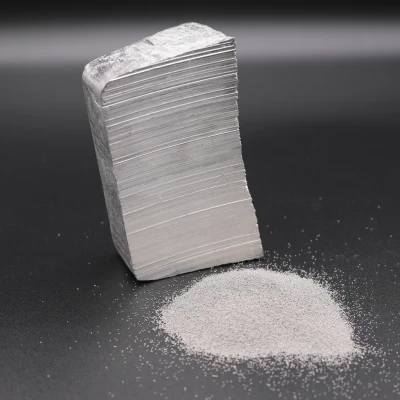

As a desulfurized magnesium metal supplier, I understand the importance of finding the right solution for your specific needs. Whether you're in the steel industry, the foundry industry, or any other industry that requires desulfurization, I'm here to help. If you're interested in purchasing desulfurized magnesium metal or want to discuss the best addition method for your application, feel free to get in touch. We can work together to ensure you get the best desulfurization results and the highest - quality products.
References
- Smith, J. (2018). "Desulfurization Techniques in Metal Production". Metalworking Journal.
- Johnson, A. (2019). "The Role of Magnesium in Desulfurization Processes". Chemical Engineering Review.