

Hey there! As a supplier of Pyrotechnic Magnesium Powder Alloy, I've seen firsthand how the alloying process can have a huge impact on the performance of this stuff. In this blog, I'm gonna break down what goes on during alloying and how it changes the way Pyrotechnic Magnesium Powder Alloy works.

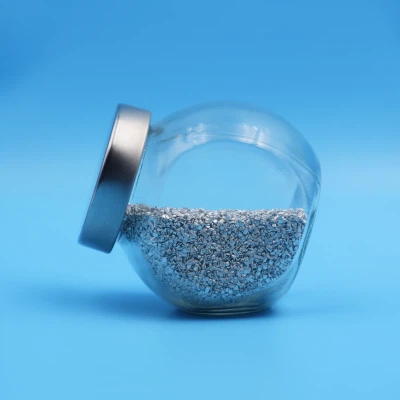
First off, let's talk a bit about what Pyrotechnic Magnesium Powder Alloy is. It's a key ingredient in a lot of pyrotechnic applications, like fireworks and flares. Magnesium itself burns really brightly and hot, which makes it great for creating those eye - popping displays we all love. But pure magnesium has its limitations. That's where the alloying process comes in.
When we talk about alloying, we're basically mixing magnesium with other elements. This isn't just a random mix, though. It's a carefully controlled process where we decide exactly which elements to add and in what amounts. Some common elements we add to magnesium for pyrotechnic applications include aluminum. You can check out Pyrotechnic Magnesium Powder Aluminum to learn more about this specific alloy.
One of the main reasons we alloy magnesium is to improve its stability. Pure magnesium is pretty reactive. It can oxidize quickly when exposed to air, which means it might not perform as well over time. By adding other elements, we can form a protective layer on the surface of the magnesium particles. This layer slows down the oxidation process, so the alloy stays fresh and ready to use for longer. For example, aluminum forms a thin oxide layer that acts as a barrier, keeping oxygen away from the magnesium underneath.
Another big advantage of alloying is that it can change the burning characteristics of the powder. Different elements burn at different rates and produce different colors. When we alloy magnesium with other metals, we can fine - tune the burn rate and the color of the flame. This is super important in pyrotechnics because it allows us to create all sorts of different effects. If we want a slower, more sustained burn for a long - lasting flare, we can adjust the alloy composition accordingly.
The alloying process also affects the ignition temperature. Pure magnesium has a relatively low ignition temperature, which can be a bit of a problem in some situations. It might ignite too easily, leading to safety issues. By alloying, we can raise the ignition temperature to a more manageable level. This makes the pyrotechnic material safer to handle and store.
Now, let's get into the nitty - gritty of how the alloying process actually works. We start by melting the magnesium in a furnace. This is a high - temperature process that requires careful control. Once the magnesium is molten, we add the other elements. We have to be really precise about the amounts we add because even a small difference can change the properties of the final alloy.
After adding the elements, we stir the mixture to make sure everything is evenly distributed. Then, we let the molten alloy cool down. As it cools, it solidifies into a form that we can then grind into a powder. The particle size of the powder is also important. Smaller particles generally burn faster, so we can control the burn rate to some extent by adjusting the particle size during the grinding process.
The quality of the alloying process can have a huge impact on the performance of the Pyrotechnic Magnesium Powder Alloy. If the elements aren't mixed evenly, we might end up with areas of the alloy that have different properties. This can lead to inconsistent burning and unpredictable results in pyrotechnic applications. That's why we use advanced techniques and equipment to ensure a high - quality alloy.
When it comes to bulk orders, Pyrotechnic Magnesium Powder Bulk is a popular option for our customers. Whether you're a fireworks manufacturer or in the military for flare production, having a reliable source of high - quality pyrotechnic magnesium powder alloy is crucial.
We also offer Pure Magnesium for those who might want to experiment with their own alloying or have specific requirements. But in most cases, the alloyed version is the way to go because of its improved performance.
In conclusion, the alloying process is a game - changer for Pyrotechnic Magnesium Powder Alloy. It improves stability, changes burning characteristics, adjusts the ignition temperature, and overall makes the material safer and more effective. If you're in the market for pyrotechnic magnesium powder alloy, whether it's for a small - scale project or a large - scale production, we're here to help. We've got the expertise and the high - quality products you need.
If you're interested in learning more or placing an order, don't hesitate to reach out. We're always happy to have a chat about your specific needs and how our Pyrotechnic Magnesium Powder Alloy can meet them. Let's work together to create some amazing pyrotechnic displays!
References
- "Pyrotechnics: Principles and Practice" by John A. Conkling
- "Magnesium Alloys: Properties, Processes, and Applications" by David E. Laughlin and Friedrich von Buch
- Various industry research papers on pyrotechnic materials and alloying processes.