

Hey there! I'm a supplier of Desulfurized Magnesium Powder, and today I wanna chat about how the flow rate of the medium affects the desulfurization effect of our desulfurized magnesium powder.
First off, let's understand what desulfurized magnesium powder is all about. It's a key player in the desulfurization process, especially in industries like steelmaking. When we talk about desulfurization, we're aiming to reduce the sulfur content in substances, mainly molten metals. Sulfur can have a negative impact on the quality of the final product, so getting rid of it is super important.

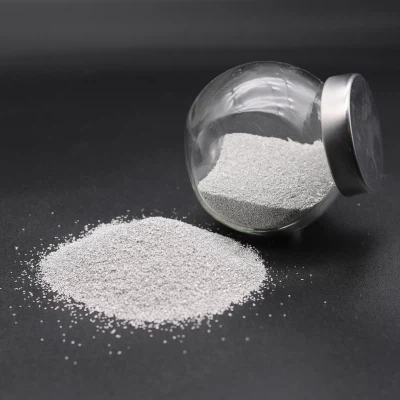
Now, the flow rate of the medium. The medium here could be a gas or a liquid that's used to carry the desulfurized magnesium powder into the reaction zone. And this flow rate can really make or break the desulfurization effect.
If the flow rate is too low, the desulfurized magnesium powder might not be distributed evenly in the reaction area. Think of it like trying to spread paint with a very slow - moving brush. The powder will clump together in some areas and leave other parts of the molten metal untouched. As a result, the reaction between the magnesium powder and sulfur won't be efficient. The sulfur won't have enough contact with the magnesium to form magnesium sulfide, which is what we want to remove from the metal. This can lead to a higher sulfur content in the final product, which is definitely not what we're after.
On the other hand, if the flow rate is too high, it can cause a different set of problems. A high - speed flow can carry the desulfurized magnesium powder through the reaction zone too quickly. The powder won't have enough time to react fully with the sulfur. It's like a race where the participants don't even get a chance to complete the course. Also, a high flow rate can create turbulence in the molten metal. This turbulence might cause the magnesium sulfide that's formed to be re - entrained back into the molten metal instead of floating to the surface for easy removal.
So, finding the optimal flow rate is crucial. It's like finding the sweet spot in a game. We need to balance the distribution of the desulfurized magnesium powder and the reaction time.
Let's take a look at some real - world scenarios. In a steelmaking plant, when the medium flow rate is well - controlled, the desulfurization process is smooth. The desulfurized magnesium powder is evenly spread throughout the molten steel. The magnesium reacts with the sulfur to form magnesium sulfide, which then floats to the surface as slag. This slag can be easily removed, leaving behind low - sulfur steel. The quality of the steel is improved, and it meets the high - end market requirements.
But when the flow rate is off, things go wrong. For example, if the flow rate is too low in a large - scale steelmaking operation, the sulfur content in the steel might exceed the acceptable limit. This means the steel has to be re - processed, which costs time and money. And if the flow rate is too high, the re - entrainment of magnesium sulfide can also lead to inefficiencies and quality issues.
Now, I'd like to mention some related products. If you're interested in other applications of desulfurized magnesium powder, check out Desulfurized Magnesium Powder As Fertilizer. It can also be used in agriculture to provide magnesium to the soil. And for those in the hot metal desulfurization field, Magnesium Reagent For Hot Metal Desulfurization is a great option. And if you're curious about magnesium chips, Magnesium Chips Uses will give you some insights.
As a supplier of desulfurized magnesium powder, I know how important it is to get the desulfurization process right. We've spent a lot of time researching and developing our products to ensure they work effectively under different flow rate conditions. Our desulfurized magnesium powder has a high reactivity and can adapt to a wide range of flow rates.
If you're in the business of desulfurization and are looking for a reliable supplier of desulfurized magnesium powder, don't hesitate to reach out. We can have a detailed discussion about your specific needs, the flow rate requirements in your process, and how our products can help you achieve the best desulfurization effect. Whether you're a small - scale operation or a large industrial plant, we're here to support you.
In conclusion, the flow rate of the medium has a significant impact on the desulfurization effect of desulfurized magnesium powder. By carefully controlling the flow rate, we can ensure an efficient and effective desulfurization process. And if you want to take your desulfurization to the next level, consider using our high - quality desulfurized magnesium powder. Let's work together to make your desulfurization process more successful.
References
- Smith, J. (2018). "The Role of Magnesium in Desulfurization Processes". Metallurgical Journal.
- Johnson, A. (2019). "Optimizing Flow Rates for Desulfurization Reactions". Chemical Engineering Review.