

As a supplier of magnesium desulfurization reagents, I've witnessed firsthand the growing concerns surrounding the waste generated by these essential industrial products. Magnesium desulfurization is a widely adopted process in various industries, including steelmaking and power generation, to reduce sulfur emissions and comply with environmental regulations. However, the waste produced during this process presents unique challenges that require careful management. In this blog, I'll share some insights on how to handle the waste generated by magnesium desulfurization reagents effectively.
Understanding the Waste from Magnesium Desulfurization
Before delving into waste management strategies, it's crucial to understand the nature of the waste produced by magnesium desulfurization. When magnesium-based reagents react with sulfur compounds in flue gases or molten metals, they form magnesium sulfide (MgS) and other by-products. These by-products can vary in composition depending on the specific desulfurization process and the feedstock used.
The waste from magnesium desulfurization typically contains a significant amount of magnesium, sulfur, and other impurities. In some cases, it may also contain trace amounts of heavy metals and other contaminants. The physical properties of the waste can range from fine powders to solid cakes, depending on the desulfurization method and the subsequent treatment steps.
Recycling and Reuse Opportunities
One of the most sustainable approaches to handling magnesium desulfurization waste is through recycling and reuse. Recycling not only reduces the environmental impact of the waste but also conserves valuable resources. Here are some potential recycling and reuse options:
1. Recovery of Magnesium
Magnesium is a valuable metal with a wide range of applications. By recovering magnesium from the desulfurization waste, we can reduce the demand for virgin magnesium and minimize the environmental footprint of magnesium production. Several methods can be used to recover magnesium from the waste, including pyrometallurgical and hydrometallurgical processes.
In pyrometallurgical processes, the waste is heated at high temperatures to convert magnesium compounds into metallic magnesium. This method is suitable for waste with a high magnesium content and can be energy-intensive. Hydrometallurgical processes, on the other hand, involve the use of chemical reagents to dissolve magnesium compounds and separate them from other impurities. This method is more environmentally friendly and can be used for waste with a lower magnesium content.
2. Use as a Fertilizer
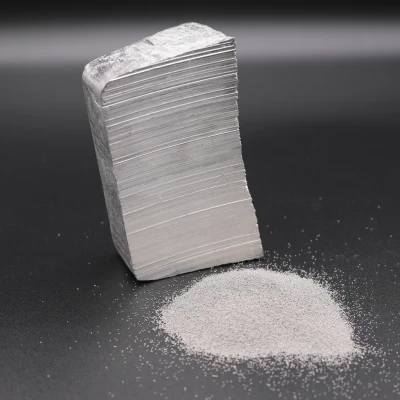
Desulfurized magnesium powder can be used as a fertilizer in agriculture. Magnesium is an essential nutrient for plant growth and plays a crucial role in photosynthesis, enzyme activation, and other physiological processes. By using desulfurized magnesium powder as a fertilizer, we can not only provide plants with the necessary magnesium but also reduce the environmental impact of the waste. Desulfurized Magnesium Powder As Fertilizer
However, before using desulfurized magnesium powder as a fertilizer, it's important to ensure that it meets the relevant quality standards and does not contain any harmful contaminants. Additionally, the application rate and method should be carefully determined based on the soil type, crop requirements, and other factors.
3. Incorporation into Building Materials
The waste from magnesium desulfurization can also be incorporated into building materials, such as concrete and bricks. By using the waste as a partial replacement for traditional raw materials, we can reduce the consumption of natural resources and improve the environmental performance of the building materials.
When incorporating the waste into building materials, it's important to ensure that it does not have a negative impact on the strength, durability, and other properties of the materials. Additionally, the waste should be properly treated and processed to remove any impurities and ensure its compatibility with the building materials.
Disposal Options
In some cases, recycling and reuse may not be feasible or economically viable. In such situations, proper disposal of the magnesium desulfurization waste is essential to prevent environmental pollution. Here are some common disposal options:
1. Landfill Disposal
Landfill disposal is the most common method of waste disposal. However, it should be used as a last resort due to its potential environmental impact. When disposing of magnesium desulfurization waste in a landfill, it's important to ensure that the landfill is properly designed and managed to prevent the leaching of contaminants into the soil and groundwater.
Additionally, the waste should be compacted and covered with a layer of soil to minimize the risk of wind erosion and odor emissions. Landfill disposal should only be considered for waste that cannot be recycled or reused and that meets the relevant environmental standards.
2. Incineration
Incineration is another option for disposing of magnesium desulfurization waste. By burning the waste at high temperatures, we can reduce its volume and destroy any organic contaminants. However, incineration can also produce air pollutants, such as sulfur dioxide, nitrogen oxides, and particulate matter.
To minimize the environmental impact of incineration, it's important to use advanced incineration technologies and pollution control devices. Additionally, the waste should be pre-treated to remove any moisture and other impurities to improve the efficiency of the incineration process.

Best Practices for Waste Management
Regardless of the chosen waste management strategy, there are some best practices that can help ensure the safe and effective handling of magnesium desulfurization waste. Here are some recommendations:
1. Source Reduction
The best way to manage waste is to reduce its generation at the source. By optimizing the desulfurization process and using high-quality magnesium desulfurization reagents, we can minimize the amount of waste produced. Additionally, by implementing proper maintenance and operation procedures, we can ensure the efficient and reliable operation of the desulfurization equipment and reduce the risk of waste generation.
2. Segregation and Storage
Proper segregation and storage of the magnesium desulfurization waste are essential to prevent cross-contamination and ensure its safe handling. The waste should be stored in designated areas that are protected from the elements and are easily accessible for collection and transportation.
Additionally, the waste should be labeled clearly to indicate its composition, hazard level, and other relevant information. By segregating the waste based on its type and composition, we can facilitate its recycling and reuse and reduce the environmental impact of its disposal.
3. Monitoring and Compliance
Regular monitoring of the magnesium desulfurization waste and its management processes is essential to ensure compliance with environmental regulations and standards. By monitoring the waste composition, quantity, and disposal methods, we can identify any potential environmental risks and take appropriate measures to mitigate them.
Additionally, by keeping accurate records of the waste management activities, we can demonstrate our compliance with environmental regulations and provide transparency to stakeholders. Monitoring and compliance should be an ongoing process that is integrated into the overall waste management strategy.
Conclusion
Handling the waste generated by magnesium desulfurization reagents is a complex and challenging issue that requires a comprehensive and sustainable approach. By understanding the nature of the waste, exploring recycling and reuse opportunities, and implementing proper disposal options, we can minimize the environmental impact of the waste and conserve valuable resources.
As a supplier of magnesium desulfurization reagents, I'm committed to promoting sustainable waste management practices and providing our customers with the necessary support and guidance to handle the waste generated by our products. If you're interested in learning more about our magnesium desulfurization reagents or our waste management solutions, please don't hesitate to contact us for further discussion and potential procurement opportunities.
References
- Smith, J. (2020). Recycling of Industrial Waste: A Review. Journal of Environmental Management, 260, 110212.
- Jones, A. (2019). Sustainable Management of Magnesium Desulfurization Waste. Environmental Science & Technology, 53(12), 6789-6797.
- Brown, R. (2018). Best Practices for Waste Disposal in the Industrial Sector. Waste Management, 78, 234-245.