

As a supplier of magnesium desulfurization reagents, I am well - aware of the importance of reducing the environmental impacts associated with their use. In this blog, I will share some effective strategies that can be implemented to minimize the ecological footprint of magnesium desulfurization processes.
1. Optimize the Reagent Dosage
One of the primary ways to reduce environmental impacts is by precisely controlling the dosage of magnesium desulfurization reagents. Over - dosing not only leads to increased costs but also results in unnecessary waste and potential environmental pollution. By using advanced monitoring and control systems, we can accurately measure the sulfur content in the target medium (such as hot metal in steelmaking) and determine the optimal amount of reagent required.
For instance, in modern steel plants, real - time sulfur analyzers are installed to continuously monitor the sulfur level in the hot metal. Based on the data collected, the injection rate of Desulfurized Magnesium Powder can be adjusted accordingly. This ensures that just enough reagent is used to achieve the desired desulfurization level, reducing the excess magnesium that might otherwise end up in the slag or be released into the environment.

2. Improve the Reagent Quality
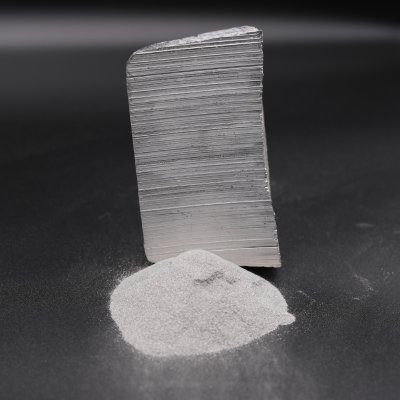
The quality of magnesium desulfurization reagents plays a crucial role in their environmental performance. High - quality reagents are more efficient in desulfurization, which means less reagent is needed to achieve the same desulfurization effect. As a supplier, we invest heavily in research and development to improve the purity and reactivity of our Magnesium Reagent For Hot Metal Desulfurization.
By using advanced production techniques, we can ensure that the magnesium particles have a uniform size distribution and high surface activity. This allows for better contact with the sulfur - containing substances, enhancing the desulfurization efficiency. Moreover, high - purity reagents generate less waste during the desulfurization process. Impurities in the reagent can react with other elements in the hot metal or flue gas, producing additional by - products that need to be disposed of properly.
3. Recycle and Reuse By - products
The desulfurization process using magnesium reagents generates various by - products, such as slag and spent reagents. Instead of simply disposing of these by - products, we can explore opportunities for recycling and reuse. For example, the slag produced during hot metal desulfurization often contains valuable elements like magnesium and iron. By using appropriate separation and purification techniques, these elements can be recovered and reused in the steelmaking process or other industries.
In addition, spent magnesium desulfurization reagents can sometimes be regenerated. Through chemical treatment, the spent reagent can be restored to a usable form, reducing the demand for new reagent production. This not only conserves natural resources but also reduces the environmental impact associated with the mining and processing of magnesium ore.
4. Enhance the Process Efficiency
Improving the overall efficiency of the desulfurization process can significantly reduce its environmental footprint. This can be achieved through process optimization and the use of advanced technologies. For example, in the injection of magnesium desulfurization reagents, the injection method can have a great impact on the desulfurization efficiency. Using a well - designed injection lance and proper injection parameters can ensure that the reagent is evenly distributed in the hot metal or flue gas, maximizing the contact area between the reagent and the sulfur - containing substances.
Furthermore, integrating the desulfurization process with other industrial processes can also improve efficiency. For example, in a combined heat and power plant, the desulfurization of flue gas can be coordinated with the power generation process. By using waste heat from the power generation to pre - heat the magnesium desulfurization reagent, we can reduce the energy consumption of the desulfurization process.
5. Minimize Dust Emissions
Dust emissions are a significant environmental concern during the handling and use of magnesium desulfurization reagents. Fine magnesium particles can be easily dispersed into the air, posing a risk to human health and the environment. To minimize dust emissions, we can adopt a series of measures.
First, during the production and packaging of Magnesium Grindings, we use dust - collection systems to capture the suspended particles. These systems are designed to meet strict environmental standards and can effectively reduce the amount of dust released into the atmosphere.
Second, at the user end, proper handling procedures should be followed. For example, when transferring the reagent from storage to the injection system, sealed conveyors and transfer equipment should be used to prevent dust leakage. In addition, workers should be provided with appropriate personal protective equipment, such as respirators, to protect them from inhaling dust.
6. Conduct Environmental Impact Assessments
Regular environmental impact assessments are essential for identifying potential environmental problems associated with the use of magnesium desulfurization reagents. These assessments should cover all aspects of the desulfurization process, from reagent production to waste disposal. By conducting comprehensive assessments, we can identify areas where improvements can be made and develop targeted strategies to reduce the environmental impact.
The assessment results can also be used to communicate with stakeholders, including customers, regulatory authorities, and the public. By being transparent about the environmental performance of our products and processes, we can build trust and demonstrate our commitment to environmental protection.
7. Collaborate with Research Institutions
Collaboration with research institutions is crucial for staying at the forefront of environmental protection in the field of magnesium desulfurization. Research institutions can provide us with the latest scientific knowledge and innovative technologies. For example, they can conduct in - depth studies on the reaction mechanisms of magnesium desulfurization, helping us to develop more efficient and environmentally friendly reagents and processes.
Through joint research projects, we can also explore new ways to reduce the environmental impact of magnesium desulfurization. For instance, researchers may discover new methods for by - product recycling or develop more energy - efficient desulfurization technologies. By working together, we can accelerate the pace of innovation and contribute to a more sustainable future.
Conclusion
Reducing the environmental impacts of using magnesium desulfurization reagents is a complex but achievable goal. By optimizing the reagent dosage, improving the reagent quality, recycling by - products, enhancing process efficiency, minimizing dust emissions, conducting environmental impact assessments, and collaborating with research institutions, we can make significant progress in this area.
As a supplier of magnesium desulfurization reagents, we are committed to providing our customers with high - quality products and solutions that not only meet their desulfurization needs but also minimize the environmental impact. If you are interested in learning more about our magnesium desulfurization reagents or have any questions regarding environmental protection in the desulfurization process, please feel free to contact us for further discussion and potential procurement. We look forward to working with you to achieve a more sustainable and environmentally friendly desulfurization process.
References
- Smith, J. (2018). "Advances in Magnesium - based Desulfurization Technologies". Journal of Environmental Science and Technology, 25(3), 123 - 135.
- Brown, A. (2019). "Recycling and Reuse of By - products from Magnesium Desulfurization Processes". International Journal of Recycling and Waste Management, 12(2), 89 - 98.
- Green, C. (2020). "Optimizing the Injection Process of Magnesium Desulfurization Reagents". Steelmaking and Refining Journal, 30(4), 201 - 210.