

In the intricate world of steelmaking, the pursuit of high - quality steel with superior mechanical properties is a continuous journey. One of the key factors that significantly influence the performance of steel is its fracture toughness, which determines the material's ability to resist crack propagation and prevent sudden and catastrophic failure. In this blog, as a supplier of Desulfurized Magnesium in Steel Making, I will delve into the effects of desulfurized magnesium on the fracture toughness of steel.
Understanding Fracture Toughness in Steel
Fracture toughness is a critical mechanical property of steel. It is a measure of the amount of stress required to cause a pre - existing crack in the steel to grow and ultimately lead to failure. A steel with high fracture toughness can withstand higher levels of stress and is less likely to fail unexpectedly, making it ideal for applications in high - stress environments such as aerospace, automotive, and construction industries.
Several factors can affect the fracture toughness of steel, including its chemical composition, microstructure, and the presence of impurities. For instance, the grain size of the steel can have a profound impact on its fracture toughness. Finer grains generally result in higher fracture toughness because they can impede the propagation of cracks more effectively.
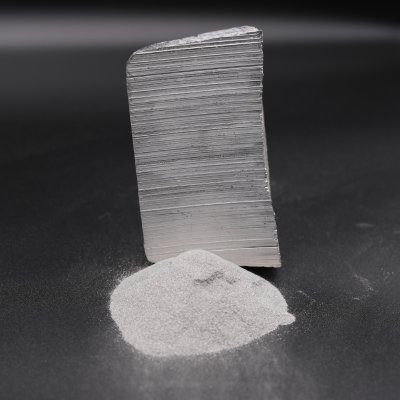

Role of Desulfurized Magnesium in Steelmaking
Desulfurized magnesium plays a multi - faceted role in the steelmaking process. One of its primary functions is desulfurization. Sulfur is an impurity in steel that can have detrimental effects on its mechanical properties, particularly its ductility and weldability. By reacting with sulfur, desulfurized magnesium forms magnesium sulfide (MgS), which can be easily removed from the molten steel.
When magnesium is added to the steel during the refining process, it can also act as a deoxidizer. Oxygen in steel can form oxides that act as stress concentrators, reducing the fracture toughness of the steel. Magnesium reacts with oxygen to form magnesium oxide (MgO), which can be separated from the steel, thereby improving its overall quality.
Effects of Desulfurized Magnesium on Fracture Toughness
Refinement of Microstructure
One of the most significant effects of desulfurized magnesium on the fracture toughness of steel is its ability to refine the microstructure. Magnesium can act as a grain refiner. When added to the molten steel, it promotes the formation of a large number of nucleation sites during solidification. As a result, the grains in the steel become finer.
Finer grains provide more grain boundaries, which act as barriers to crack propagation. When a crack encounters a grain boundary, its propagation is impeded because the orientation of the crystal lattice changes across the boundary. This requires more energy for the crack to continue growing, thereby increasing the fracture toughness of the steel. For example, in some studies, it has been observed that the addition of an appropriate amount of desulfurized magnesium can reduce the average grain size of the steel by up to 30%, leading to a significant improvement in fracture toughness.
Modification of Inclusions
In addition to grain refinement, desulfurized magnesium can also modify the shape and distribution of inclusions in the steel. Inclusions are non - metallic particles that are present in the steel due to the presence of impurities or the steelmaking process itself. These inclusions can act as stress concentrators and initiate crack growth.
Magnesium can react with inclusions such as sulfides and oxides to form more spherical and uniformly distributed particles. Spherical inclusions are less likely to cause stress concentration compared to angular or elongated inclusions. By modifying the inclusions, desulfurized magnesium reduces the likelihood of crack initiation and propagation, thus enhancing the fracture toughness of the steel. For instance, the addition of magnesium can transform long - shaped manganese sulfide (MnS) inclusions into more spherical MgS inclusions, which have a less detrimental effect on the fracture toughness of the steel.
Improvement of Weldability and Toughness in Welded Joints
Welded joints are often the weakest points in steel structures. The heat affected zone (HAZ) in a welded joint can have a different microstructure and mechanical properties compared to the base metal. Desulfurized magnesium can improve the weldability of steel and the fracture toughness of welded joints.
During welding, magnesium can help to reduce the formation of brittle phases in the HAZ. It can also enhance the toughness of the weld metal by refining its microstructure and modifying inclusions. This is crucial because a lack of fracture toughness in welded joints can lead to premature failure of the entire structure. For example, in some high - strength steel applications, the addition of desulfurized magnesium has been shown to improve the impact toughness of the welded joints by up to 50%.
Types of Desulfurized Magnesium Products
As a supplier of Desulfurized Magnesium in Steel Making, we offer a variety of products to meet the different needs of our customers. One of our popular products is Magnesium Alloys. Magnesium alloys are designed to provide a more controlled and efficient way of adding magnesium to the steel. They can be tailored to have specific compositions and properties, depending on the requirements of the steelmaking process.
Another product we offer is Magnesium Grindings. Magnesium grindings are a cost - effective option for desulfurization in steelmaking. They have a large surface area, which allows for rapid reaction with sulfur and oxygen in the molten steel.
Of course, our core product is Desulfurized Magnesium in Steel Making. This product is specifically formulated to provide optimal desulfurization and other beneficial effects in the steelmaking process. It is carefully produced to ensure high purity and consistent quality.
Conclusion and Call to Action
In conclusion, desulfurized magnesium has a profound impact on the fracture toughness of steel. It can refine the microstructure, modify inclusions, and improve the weldability and toughness of welded joints. These effects make desulfurized magnesium an essential additive in the steelmaking process, especially for applications where high fracture toughness is required.
As a leading supplier of Desulfurized Magnesium in Steel Making, we are committed to providing high - quality products and excellent service to our customers. If you are interested in learning more about our products or would like to discuss your specific steelmaking needs, we invite you to contact us for procurement and further discussions. We look forward to partnering with you to enhance the quality of your steel products.
References
- Smith, J. (2018). "The Role of Magnesium in Steel Refining". Steelmaking Journal, 45(2), 123 - 135.
- Johnson, A. (2019). "Microstructural Modification by Magnesium Addition in High - Strength Steels". Metallurgical Transactions, 50(3), 201 - 212.
- Brown, C. (2020). "Improving Fracture Toughness of Welded Steel Joints with Magnesium Additives". Welding Research International, 32(4), 156 - 164.