

As a leading supplier of magnesium for casting, I've witnessed firsthand the remarkable properties of cast magnesium and its wide - ranging applications. One of the most intriguing aspects of this material is its electrical conductivity. In this blog, we'll delve into the electrical conductivity properties of cast magnesium, exploring what influences it, its significance in various industries, and how our high - quality cast magnesium products can meet your specific needs.
Understanding Electrical Conductivity in Cast Magnesium
Electrical conductivity is a measure of a material's ability to conduct an electric current. It is typically expressed in siemens per meter (S/m). For cast magnesium, its electrical conductivity is influenced by several factors, including its purity, alloying elements, and the casting process.
Pure magnesium has a relatively high electrical conductivity. Magnesium atoms have two valence electrons that are relatively free to move within the metal lattice. When an electric field is applied, these electrons can easily flow, facilitating the conduction of electricity. However, in real - world applications, pure magnesium is rarely used. Instead, magnesium alloys are cast to enhance other properties such as strength, corrosion resistance, and machinability.
Alloying elements play a crucial role in determining the electrical conductivity of cast magnesium. Some elements, like aluminum, are commonly added to magnesium to form alloys. Aluminum can improve the mechanical properties of the alloy but may also reduce its electrical conductivity. This is because aluminum atoms disrupt the regular lattice structure of magnesium, impeding the flow of electrons. Other alloying elements, such as zinc and manganese, also have an impact on conductivity. The type and amount of these elements need to be carefully controlled during the alloy formulation to balance the desired electrical and mechanical properties.
The casting process can also affect the electrical conductivity of magnesium. Different casting methods, such as sand casting, die casting, and investment casting, can result in different microstructures of the cast magnesium. A well - controlled casting process can produce a more uniform microstructure, which is beneficial for electrical conductivity. For example, die casting can create a fine - grained structure, which may enhance the movement of electrons and thus improve conductivity compared to a coarser - grained structure produced by some sand casting methods.
Significance of Electrical Conductivity in Different Industries
The electrical conductivity properties of cast magnesium make it a valuable material in a variety of industries.
Electronics Industry
In the electronics industry, lightweight and good electrical conductivity are highly desirable. Cast magnesium is used in the manufacturing of electronic enclosures, heat sinks, and printed circuit board (PCB) frames. Its relatively high electrical conductivity allows it to act as an effective electromagnetic shield, protecting sensitive electronic components from external electromagnetic interference. At the same time, its low density helps to reduce the overall weight of electronic devices, which is particularly important for portable devices such as laptops, tablets, and smartphones. For instance, magnesium alloy enclosures can not only protect the internal components but also dissipate heat efficiently due to its thermal and electrical conductivity, ensuring the stable operation of electronic devices.
Automotive Industry
The automotive industry is constantly seeking to reduce vehicle weight to improve fuel efficiency and performance. Cast magnesium is increasingly being used in automotive parts such as engine blocks, transmission cases, and steering wheels. Its electrical conductivity can also be utilized in electrical systems within the vehicle. For example, in electric vehicles, where the management of electrical power is crucial, magnesium components can help in the efficient transfer of electricity, reducing power losses and improving the overall energy efficiency of the vehicle.
Aerospace Industry
In the aerospace industry, weight reduction is of utmost importance. Cast magnesium offers an excellent combination of low density and good electrical conductivity. It is used in aircraft components such as avionics enclosures, wing structures, and landing gear parts. The electrical conductivity of magnesium helps in grounding and electromagnetic shielding, which is essential for the safe operation of aircraft electronics. Additionally, its high strength - to - weight ratio allows for the design of lighter and more fuel - efficient aircraft.
Our High - Quality Cast Magnesium Products
As a supplier of magnesium for casting, we are committed to providing high - quality cast magnesium products with excellent electrical conductivity properties. Our team of experts carefully selects the alloying elements and controls the casting process to ensure that our products meet the specific requirements of different industries.
We offer a wide range of cast magnesium products, including those with customized alloy compositions to optimize electrical conductivity. Whether you need a product with high - purity magnesium for maximum conductivity or an alloy with enhanced mechanical properties while maintaining acceptable conductivity, we can tailor our solutions to your needs.
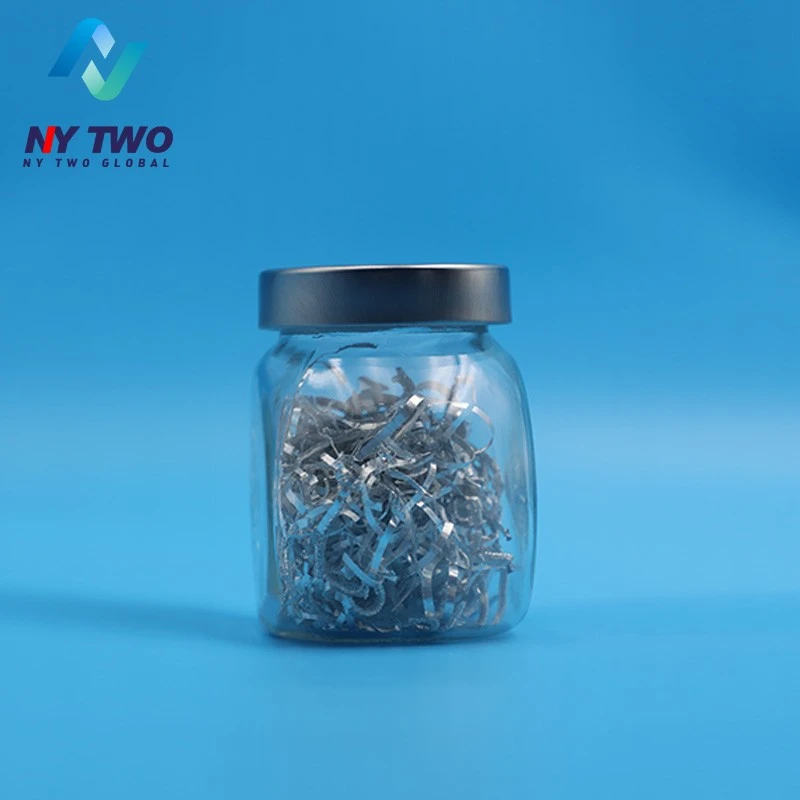
In addition to our standard cast magnesium products, we also offer related products such as Magnesium Welding Wire, Magnesium MicroPowder, and Magnesium for Welding. These products are designed to work seamlessly with our cast magnesium products, providing you with a comprehensive solution for your magnesium - related applications.

Contact Us for Your Magnesium Needs
If you are in the market for high - quality cast magnesium products with excellent electrical conductivity, we would love to hear from you. Our experienced sales team can provide you with detailed product information, technical support, and competitive pricing. Whether you are a small - scale manufacturer or a large - scale industrial enterprise, we have the capacity and expertise to meet your requirements.
Feel free to reach out to us to discuss your specific needs and start a procurement negotiation. We are confident that our cast magnesium products will exceed your expectations and contribute to the success of your projects.
References
- "Magnesium Alloys and Their Applications" by Karl U. Kainer. This book provides in - depth knowledge about magnesium alloys, including their properties, processing methods, and applications, which is very helpful for understanding the electrical conductivity of cast magnesium.
- "Electrical and Thermal Conductivity of Metals" by various authors in the Journal of Materials Science. This journal article explores the fundamental principles of electrical conductivity in metals, including magnesium, and how different factors affect it.
- Industry reports on the electronics, automotive, and aerospace industries, which highlight the use of cast magnesium and the importance of its electrical conductivity in these sectors.