

As a supplier of Magnesium Metal Turned Parts, I've witnessed firsthand the critical role that surface roughness plays in the quality and performance of these components. Surface roughness can significantly impact the functionality, durability, and overall usability of magnesium turned parts. In this blog post, I'll explore the various factors that can affect the surface roughness of magnesium metal turned parts and discuss how understanding these factors can help you optimize your manufacturing processes and achieve the desired surface finish.
1. Material Properties of Magnesium
The inherent properties of magnesium itself can have a profound influence on the surface roughness of turned parts. Magnesium is a lightweight and relatively soft metal, which makes it prone to certain challenges during the turning process.
1.1 Hardness and Ductility
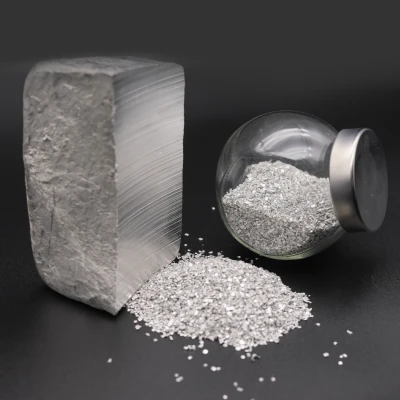
The relatively low hardness of magnesium can lead to issues such as built - up edge (BUE) formation. When the cutting tool comes into contact with the magnesium workpiece, small particles of the workpiece material can adhere to the cutting edge, forming a BUE. This BUE can then cause irregularities on the machined surface, increasing the surface roughness. On the other hand, the ductility of magnesium means that it can deform plastically during cutting. Excessive plastic deformation can result in a rougher surface finish, as the material may not be removed cleanly. For more information on the characteristics of magnesium turnings, you can visit Magnesium Turnings.
1.2 Chemical Reactivity
Magnesium is highly reactive with oxygen and moisture in the air. During the turning process, if the workpiece is exposed to the atmosphere for an extended period, a thin oxide layer can form on the surface. This oxide layer can have a different hardness and mechanical properties compared to the base magnesium material, which can affect the cutting process and lead to an uneven surface finish. Additionally, any contaminants in the machining environment can react with magnesium, further degrading the surface quality.
2. Cutting Tool Characteristics
The cutting tool used in the turning process is another crucial factor that affects the surface roughness of magnesium metal turned parts.
2.1 Tool Geometry
The geometry of the cutting tool, including the rake angle, clearance angle, and nose radius, has a direct impact on the cutting process and the resulting surface finish. A larger rake angle can reduce the cutting force and friction between the tool and the workpiece, which generally leads to a smoother surface. However, if the rake angle is too large, it can cause the tool to become weak and more prone to wear. The clearance angle is important to prevent the tool from rubbing against the machined surface, as excessive rubbing can increase surface roughness. The nose radius of the tool also affects the surface finish. A larger nose radius can produce a smoother surface, but it may also increase the cutting force.
2.2 Tool Material
The choice of tool material is vital for achieving a good surface finish on magnesium turned parts. Carbide tools are commonly used for machining magnesium due to their high hardness and wear resistance. However, the coating on the carbide tool can also play a significant role. A well - chosen coating can reduce friction, prevent BUE formation, and improve the chip flow, all of which contribute to a lower surface roughness. Diamond - coated tools can also be used for high - precision machining of magnesium, as they offer excellent wear resistance and can produce a very smooth surface.
2.3 Tool Wear
As the cutting tool wears during the turning process, its cutting performance deteriorates. Tool wear can cause changes in the tool geometry, such as a decrease in the rake angle and an increase in the cutting edge radius. These changes can lead to an increase in cutting force, poor chip control, and a rougher surface finish. Regular monitoring and tool replacement are essential to maintain a consistent surface quality.
3. Cutting Parameters
The cutting parameters selected for the turning process have a significant impact on the surface roughness of magnesium metal turned parts.
3.1 Cutting Speed
The cutting speed is the speed at which the cutting edge of the tool moves relative to the workpiece. A higher cutting speed generally results in a smoother surface finish, as it reduces the chances of BUE formation and allows for more efficient chip removal. However, if the cutting speed is too high, it can cause excessive tool wear and overheating of the workpiece, which can degrade the surface quality. On the other hand, a very low cutting speed can lead to a rougher surface due to the increased likelihood of BUE formation.
3.2 Feed Rate
The feed rate is the distance the tool advances along the workpiece per revolution. A lower feed rate typically produces a smoother surface finish, as it allows the tool to remove material more precisely. However, a very low feed rate can increase the machining time and may not be cost - effective. A high feed rate can cause the tool to remove material in larger chunks, resulting in a rougher surface.
3.3 Depth of Cut
The depth of cut refers to the thickness of the material removed in a single pass of the cutting tool. A smaller depth of cut generally leads to a smoother surface finish, as it reduces the cutting force and the amount of material deformation. However, multiple passes with a small depth of cut can increase the machining time. A large depth of cut can cause significant stress on the workpiece and the tool, leading to a rougher surface.
4. Machining Environment
The machining environment in which the turning process takes place can also affect the surface roughness of magnesium metal turned parts.
4.1 Coolant and Lubrication
The use of coolant and lubrication is crucial for machining magnesium. Coolants help to reduce the cutting temperature, prevent BUE formation, and improve chip flow. Lubricants reduce friction between the tool and the workpiece, which can lead to a smoother surface finish. However, the type of coolant and lubricant used must be carefully selected, as some substances can react with magnesium. For example, water - based coolants need to be used with caution, as magnesium can react with water to produce hydrogen gas.
4.2 Vibration and Stability
Vibration during the turning process can cause irregularities on the machined surface, increasing the surface roughness. Vibration can be caused by factors such as an unbalanced cutting tool, improper machine setup, or excessive cutting forces. Ensuring the stability of the machine tool, the workpiece, and the cutting tool is essential for minimizing vibration and achieving a smooth surface finish.
5. Workpiece Preparation and Holding
The preparation and holding of the magnesium workpiece can influence the surface roughness of the turned parts.
5.1 Initial Surface Condition
The initial surface condition of the magnesium workpiece, such as its flatness, straightness, and surface cleanliness, can affect the cutting process and the resulting surface finish. A workpiece with a rough or uneven initial surface may require more passes to achieve the desired surface quality. Additionally, any contaminants on the surface can cause problems during cutting, such as tool wear and surface defects.
5.2 Workpiece Holding
Proper workpiece holding is crucial to prevent movement or vibration during the turning process. If the workpiece is not held securely, it can shift or vibrate, leading to a rough surface finish. The choice of fixtures and clamping methods should ensure that the workpiece is held firmly without causing excessive deformation.

Understanding the factors that affect the surface roughness of magnesium metal turned parts is essential for optimizing the manufacturing process and achieving high - quality components. By carefully considering the material properties of magnesium, the cutting tool characteristics, the cutting parameters, the machining environment, and the workpiece preparation and holding, you can minimize surface roughness and produce magnesium turned parts with excellent surface finish.
If you are in the market for high - quality Magnesium Metal Turned Parts, I invite you to get in touch with us for a procurement discussion. We have extensive experience in manufacturing magnesium turned parts and can help you meet your specific requirements.
References
[1] Altan, T., & Oh, S. I. (1984). Metal forming: Fundamentals and applications. American Society for Metals.
[2] Trent, E. M., & Wright, P. K. (2000). Metal cutting. Butterworth - Heinemann.
[3] Kalpakjian, S., & Schmid, S. R. (2008). Manufacturing engineering and technology. Pearson Prentice Hall.