

Hey there! As a supplier of pyrotechnic magnesium powder and aluminum powder, I've gotten plenty of questions about how to improve their dispersibility. It's super important to have good dispersion, 'cause it directly impacts the performance of these powders in pyrotechnics, and we all want those fireworks to go off with a bang, right? So, in this blog, I'm gonna share some methods that we've found useful over the years.
Surface Modification
One of the most effective ways to boost the dispersibility of pyrotechnic magnesium powder and aluminum powder is through surface modification. The surface of these metal powders can be pretty reactive and prone to oxidation and agglomeration. By modifying it, we can reduce the surface energy and improve the interactions with the surrounding medium.
There are a few ways to do this. Coating the powder particles with a thin layer of an organic or inorganic material is a popular method. For example, we can use stearic acid. It forms a hydrophobic layer on the surface of the powder particles. This hydrophobic layer helps prevent the particles from clumping together by reducing the surface tension between them. The stearic acid also acts as a lubricant, allowing the particles to move more freely in the medium. You can find more details about the products that might benefit from this kind of treatment on our Fireworks Medicinal Magnesium page.
Another option for surface modification is using silane coupling agents. These agents have a dual - functionality. One part of the molecule can react with the metal surface, while the other part can interact with the surrounding matrix. This creates a strong bond between the powder particles and the surrounding medium, improving both dispersion and adhesion. The Pyrotechnic Magnesium Powder Alloy page can give you an idea of the alloys where silane coupling agents can be effectively used.
Mechanical Dispersion
Mechanical methods are also crucial for improving the dispersibility of these powders. High - energy ball milling is a classic technique. In this process, the powder is placed in a mill with balls. As the mill rotates, the balls impact and shear the powder particles, breaking up any agglomerates and reducing the particle size. The key is to control the milling time and speed. If you mill for too long or at too high a speed, you might introduce impurities or cause oxidation of the powder due to the heat generated.
Another mechanical method is ultrasonic dispersion. Ultrasonic waves create high - energy cavitation bubbles in the liquid medium where the powder is suspended. When these bubbles collapse, they generate shockwaves that can break up agglomerates. Ultrasonic dispersion is relatively gentle compared to ball milling and can be used for more delicate powder systems. It's also great for getting a uniform dispersion in a short period of time.
Use of Dispersants
Dispersants are chemical additives that can significantly improve the dispersibility of magnesium and aluminum powders. They work by adsorbing onto the surface of the powder particles and creating a repulsive force between them. There are different types of dispersants, such as ionic and non - ionic dispersants.
Anionic dispersants, for example, have a negatively charged group that attaches to the surface of the powder particles. These negatively charged surfaces then repel each other, preventing agglomeration. Non - ionic dispersants, on the other hand, work through steric hindrance. They form a layer around the powder particles that physically prevents the particles from getting too close to each other.
Choosing the right dispersant depends on the specific properties of the powder and the medium. For example, in an aqueous medium, an ionic dispersant might work better, while in a non - polar organic medium, a non - ionic dispersant could be the better choice.
Optimization of Mixing Conditions
The way we mix the pyrotechnic magnesium and aluminum powders with other components also matters. The mixing ratio, speed, and time are important factors. If we mix the powders too slowly, the particles might not get properly distributed, leading to inhomogeneities. If we mix too fast, we might introduce air bubbles or cause over - dispersion, which can also lead to problems.
It's important to follow a proper mixing protocol. Usually, a step - by - step mixing process is recommended. Start with a slow mixing speed to gradually introduce the powder into the medium and then increase the speed as the powder starts to disperse. Maintaining a consistent mixing temperature is also crucial, as temperature can affect the viscosity of the medium and the behavior of the powder.
Environmental Control
The environment in which the powders are stored and processed can have a big impact on their dispersibility. Humidity is a major factor. Both magnesium and aluminum powders can react with moisture in the air, leading to oxidation and the formation of hydroxide or oxide layers on the surface of the particles. These layers can cause the particles to stick together and reduce their dispersibility.
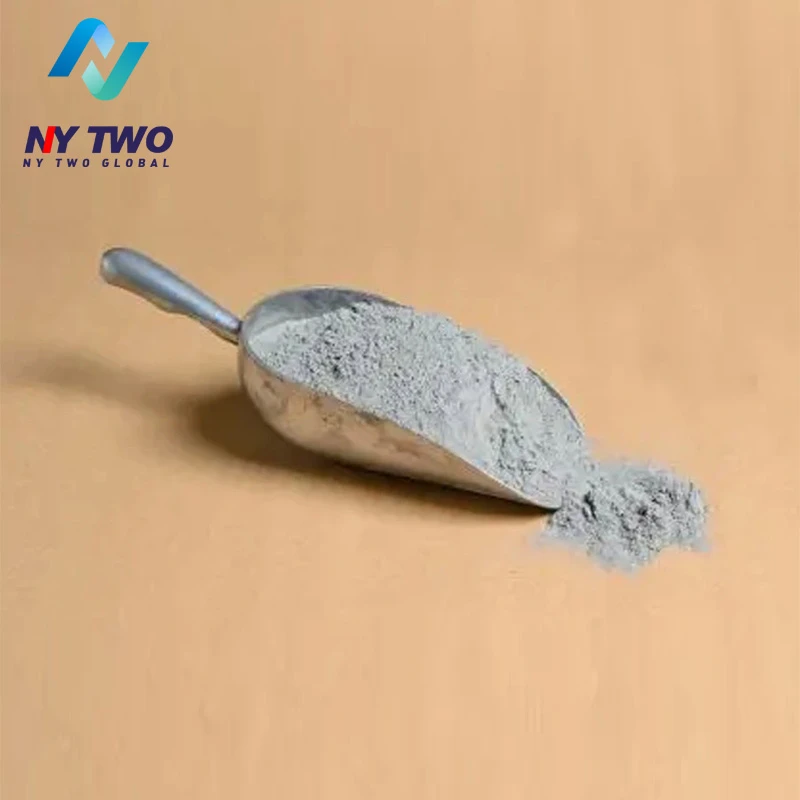

So, storing the powders in a dry environment is essential. Using desiccants in the storage containers can help keep the humidity low. When processing the powders, it's also a good idea to work in a low - humidity environment or under an inert gas atmosphere, like nitrogen or argon. You can learn more about how environmental factors can affect pyrotechnics on our Magnesium Pyrotechnics page.
Conclusion
Improving the dispersibility of pyrotechnic magnesium powder and aluminum powder is a multi - step process that involves surface modification, mechanical dispersion, the use of dispersants, optimization of mixing conditions, and environmental control. By using a combination of these methods, we can achieve better dispersion, which ultimately leads to improved pyrotechnic performance.
If you're in the market for high - quality pyrotechnic magnesium powder and aluminum powder, and want to learn more about how we can help you with dispersion and other related issues, feel free to reach out. We'd love to have a chat with you and discuss how our products can meet your specific requirements.
References
- Smith, J. et al. "Surface Engineering of Metal Powders for Pyrotechnics". Journal of Pyrotechnic Materials, 2020.
- Johnson, M. "Mechanical Dispersion Techniques for Metal Powders". Powder Technology Journal, 2018.
- Brown, A. "Use of Dispersants in Pyrotechnic Powders". Chemical Engineering in Pyrotechnics Journal, 2019.