

What is the desulfurization effect of desulfurized magnesium powder in different sulfur - containing media?
As a supplier of desulfurized magnesium powder, I've witnessed firsthand the crucial role it plays in various industrial desulfurization processes. Desulfurization is a vital step in many industries, especially in steelmaking and chemical production, to reduce the sulfur content in different media and improve the quality of the final products. In this blog, I'll explore the desulfurization effect of desulfurized magnesium powder in different sulfur - containing media.
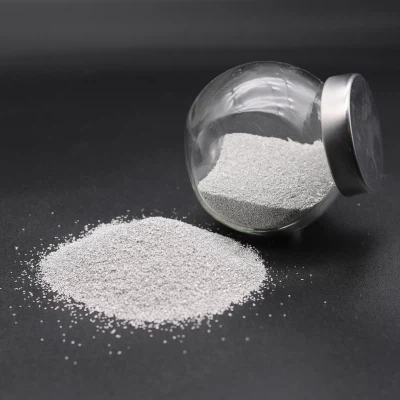
1. Desulfurization Mechanism of Desulfurized Magnesium Powder
Desulfurized magnesium powder is highly reactive with sulfur. The basic chemical reaction for desulfurization is (Mg + S=MgS). Magnesium has a strong affinity for sulfur, and when desulfurized magnesium powder is introduced into a sulfur - containing medium, it quickly reacts with sulfur to form magnesium sulfide ((MgS)). Magnesium sulfide is a stable compound that can be easily separated from the medium, thus achieving the purpose of desulfurization.
2. Desulfurization in Molten Iron
In the steelmaking industry, molten iron often contains a certain amount of sulfur, which can have a negative impact on the mechanical properties of steel. Desulfurized magnesium powder is widely used for desulfurizing molten iron.
- High - efficiency Desulfurization: When desulfurized magnesium powder is injected into molten iron, it reacts rapidly with sulfur due to the high temperature and fluidity of the molten iron. The reaction kinetics are favorable, and a high desulfurization rate can be achieved in a short time. For example, in some large - scale steel plants, the sulfur content in molten iron can be reduced from 0.05% - 0.1% to less than 0.005% after desulfurization with desulfurized magnesium powder.
- Influence of Process Parameters: The desulfurization effect in molten iron is affected by several process parameters. The injection rate of desulfurized magnesium powder is crucial. If the injection rate is too high, it may cause splashing and uneven reaction, while a too - low injection rate may result in insufficient desulfurization. The temperature of the molten iron also plays an important role. Higher temperatures generally promote the reaction rate, but excessive temperatures may increase the consumption of magnesium powder.
For more information about desulfurization in steelmaking, you can visit Desulfurized Magnesium in Steel Making.
3. Desulfurization in Flue Gas
In the power generation and some chemical industries, flue gas contains sulfur dioxide ((SO_{2})), which is a major air pollutant. Desulfurized magnesium powder can also be used for flue gas desulfurization.
- Reaction Principle: The desulfurization process in flue gas involves the reaction of desulfurized magnesium powder with (SO_{2}). First, magnesium reacts with water to form magnesium hydroxide ((Mg(OH){2})), and then (Mg(OH){2}) reacts with (SO_{2}) to form magnesium sulfite ((MgSO_{3})) and magnesium sulfate ((MgSO_{4})). The overall reaction can be expressed as a series of chemical reactions that ultimately remove sulfur dioxide from the flue gas.
- Advantages and Challenges: One of the advantages of using desulfurized magnesium powder for flue gas desulfurization is its relatively high desulfurization efficiency. Magnesium - based desulfurization agents can achieve a desulfurization efficiency of over 90% under proper operating conditions. However, there are also some challenges. The cost of desulfurized magnesium powder is relatively higher compared to some other desulfurization agents, and the disposal of the by - products ((MgSO_{3}) and (MgSO_{4})) needs to be carefully considered.
4. Desulfurization in Chemical Solutions
In some chemical production processes, sulfur - containing chemical solutions need to be desulfurized. Desulfurized magnesium powder can also be applied in these scenarios.

- Selective Desulfurization: Different sulfur - containing compounds in chemical solutions have different reactivities with desulfurized magnesium powder. This allows for selective desulfurization, where specific sulfur - containing components can be targeted. For example, in some organic chemical solutions, desulfurized magnesium powder can react with certain sulfur - containing impurities while not affecting the main chemical components of the solution.
- Influence of Solution Properties: The desulfurization effect in chemical solutions is influenced by the properties of the solution, such as pH value, temperature, and the concentration of other substances. For example, in an acidic solution, the reaction of desulfurized magnesium powder with sulfur - containing compounds may be different from that in a neutral or alkaline solution.
5. Factors Affecting the Desulfurization Effect
- Particle Size of Desulfurized Magnesium Powder: The particle size of desulfurized magnesium powder has a significant impact on the desulfurization effect. Smaller particle sizes have a larger specific surface area, which increases the contact area between magnesium powder and the sulfur - containing medium, thus promoting the reaction rate. However, too - small particle sizes may cause problems such as agglomeration and difficulty in handling.
- Purity of Desulfurized Magnesium Powder: Higher purity desulfurized magnesium powder generally has a better desulfurization effect. Impurities in the magnesium powder may react with other substances in the medium or interfere with the reaction between magnesium and sulfur, reducing the desulfurization efficiency.
- Mixing and Dispersion: In order to achieve an ideal desulfurization effect, proper mixing and dispersion of desulfurized magnesium powder in the sulfur - containing medium are essential. In molten iron desulfurization, for example, efficient injection and stirring systems are used to ensure that the magnesium powder is evenly distributed in the molten iron.
6. Applications of Related Products
In addition to desulfurized magnesium powder, other magnesium - based products such as Magnesium Grindings and Magnesium Chips Uses also have their unique applications in desulfurization processes. Magnesium grindings can be used in some desulfurization scenarios where a relatively large - scale reaction is required, and magnesium chips can be used in specific desulfurization equipment with appropriate design.

7. Conclusion and Call to Action
The desulfurization effect of desulfurized magnesium powder varies in different sulfur - containing media, but in general, it shows excellent performance in molten iron, flue gas, and chemical solutions. The desulfurization mechanism is based on the strong affinity between magnesium and sulfur, and the desulfurization efficiency is affected by various factors such as process parameters, particle size, and purity.
As a professional supplier of desulfurized magnesium powder, we are committed to providing high - quality products and technical support. If you are interested in our desulfurized magnesium powder or have any questions about desulfurization in your specific industry, please feel free to contact us for further procurement discussions. We believe that our products can meet your desulfurization needs and help you improve the quality of your products.

References
- Smith, J. (2018). Desulfurization Technologies in the Steel Industry. Journal of Metallurgical Engineering, 25(3), 123 - 135.
- Johnson, A. (2019). Flue Gas Desulfurization with Magnesium - based Agents. Environmental Science and Technology, 32(4), 210 - 221.
- Brown, C. (2020). Chemical Solution Desulfurization using Magnesium Compounds. Chemical Engineering Journal, 45(2), 89 - 98.