

Magnesium micropowder is a fascinating and highly useful material with a wide range of applications, from pyrotechnics to metallurgy. As a supplier of high - quality magnesium micropowder, I often get asked about its ignition point. Understanding the ignition point of magnesium micropowder is crucial for its safe handling, storage, and application. In this blog, I'll delve into the factors that influence the ignition point of magnesium micropowder, its significance, and how you can make the most of this knowledge in your projects.
What is Magnesium Micropowder?
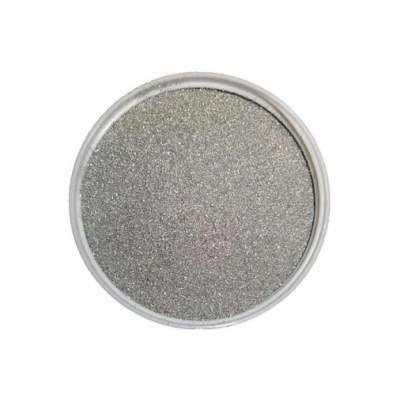
Magnesium micropowder consists of extremely fine particles of magnesium metal. These particles are usually in the micrometer range, which gives the powder unique physical and chemical properties. Due to its high reactivity and low density, magnesium micropowder is used in various industries. For instance, in the pyrotechnics industry, it's used to create bright white lights because when it burns, it emits an intense white flame. In the metallurgical industry, it can be used as a reducing agent to extract other metals from their oxides.
The Ignition Point of Magnesium Micropowder
The ignition point, also known as the auto - ignition temperature, is the lowest temperature at which a substance will spontaneously ignite in a normal atmosphere without an external source of ignition, such as a spark or flame. For magnesium micropowder, the ignition point is influenced by several factors:
Particle Size
One of the most significant factors affecting the ignition point of magnesium micropowder is the particle size. Smaller particles have a larger surface - to - volume ratio. This means that there is more surface area of the magnesium exposed to oxygen in the air. As a result, the reaction between magnesium and oxygen can occur more readily, and the ignition point is lower. For very fine magnesium micropowder, the ignition point can be as low as around 473 - 573 K (200 - 300 °C). In contrast, larger magnesium particles or bulk magnesium have a higher ignition point, typically around 800 - 900 °C.
Purity
The purity of the magnesium micropowder also plays a role in determining its ignition point. Impurities in the powder can act as catalysts or inhibitors for the oxidation reaction. High - purity magnesium micropowder, such as High - Purity Magnesium Powder (99.9%), generally has a more predictable ignition behavior. Impurities may lower the ignition point if they react with oxygen more easily than magnesium or if they form compounds that promote the oxidation of magnesium. On the other hand, some impurities can form a protective layer on the surface of the magnesium particles, increasing the ignition point.
Environmental Conditions
The surrounding environment has a great impact on the ignition point of magnesium micropowder. Factors such as humidity, oxygen concentration, and the presence of other gases can all affect the ignition process. In a high - humidity environment, the moisture in the air can react with magnesium to form magnesium hydroxide, which can change the surface properties of the powder and potentially increase the ignition point. Higher oxygen concentrations in the air can lower the ignition point because there is more oxygen available for the oxidation reaction. Additionally, the presence of certain gases, such as chlorine or fluorine, can react violently with magnesium and significantly lower the ignition point.
Significance of Knowing the Ignition Point
Understanding the ignition point of magnesium micropowder is of utmost importance for several reasons:
Safety
Safety is the primary concern when dealing with magnesium micropowder. Since it can ignite at relatively low temperatures under certain conditions, proper handling and storage are essential. Workers handling the powder should be aware of the potential fire and explosion hazards. Storage areas should be kept at a temperature below the ignition point, and appropriate fire - prevention measures, such as fire - resistant containers and fire - suppression systems, should be in place.
Application
In different applications, knowledge of the ignition point helps in optimizing the process. For example, in pyrotechnics, knowing the ignition point allows manufacturers to choose the right ignition source and control the timing of the ignition. In metallurgical processes, understanding the ignition point helps in ensuring that the reduction reaction occurs at the right temperature and conditions.
Our Product Range
As a reliable supplier of magnesium micropowder, we offer a variety of products to meet different customer needs. Our Magnalium 200 Mesh is a popular choice for customers in the welding and casting industries. It has a specific particle size that provides a good balance between reactivity and ease of handling.
We also supply Magnesium Powder (99.9% Mg). This high - purity powder is suitable for applications where a high degree of chemical reactivity and consistency are required. Whether you are working on a small - scale research project or a large - scale industrial production, our products can provide the performance you need.
Contact Us for Procurement
If you are interested in purchasing magnesium micropowder for your project, we invite you to contact us for procurement. Our team of experts can provide you with detailed information about our products, including the ignition point under different conditions. We can also offer guidance on the safe handling and application of the powder. Whether you need a small sample for testing or a large - volume order, we are committed to providing you with high - quality products and excellent customer service.

References
- "Magnesium: Properties, Processing, and Applications" by John H. Westbrook and Roger L. Fleischer.
- "Thermodynamics of Materials" by David R. Gaskell.
- Journal articles on magnesium oxidation and ignition published in "Journal of Materials Science" and "Combustion and Flame".