

Hey there! I'm a supplier of magnesium metal turnings, and I know that dealing with these little pieces can be a bit of a head - scratcher. So, in this blog, I'm gonna walk you through how to properly dispose of magnesium metal turnings.
First off, let's understand what magnesium metal turnings are. They're thin, curly pieces of magnesium that are often a by - product of machining operations. Magnesium is a super reactive metal. It burns really easily and can react violently with water and some chemicals. That's why disposing of it the right way is super important, not just for safety but also for the environment.
Why Proper Disposal Matters
Magnesium metal turnings can pose some serious risks if not disposed of correctly. When they come into contact with water, they can produce hydrogen gas. Hydrogen is highly flammable, and if there's an ignition source nearby, it can lead to an explosion. Also, magnesium fires are tough to put out. Regular water won't work; it can actually make the fire worse because it reacts with the magnesium to produce more heat and hydrogen.
From an environmental perspective, magnesium can have an impact on soil and water quality. If it leaches into the ground or water sources, it can change the pH levels and affect the local ecosystem. So, we gotta do our part to make sure we're getting rid of these turnings safely.
Step - by - Step Disposal Guide
1. Storage
Before you can dispose of the magnesium metal turnings, you need to store them properly. Keep them in a dry, well - ventilated area. A metal container with a tight - fitting lid is a great choice. Make sure the container is labeled clearly as "Magnesium Metal Turnings" and include all the relevant safety information. This will prevent any accidental spills or reactions while they're waiting to be disposed of.
2. Check Local Regulations
Every area has its own rules when it comes to waste disposal. You need to find out what the regulations are in your locality. Some places might allow you to recycle magnesium turnings, while others might have specific hazardous waste disposal facilities. Contact your local environmental protection agency or waste management department to get the lowdown on what you need to do.
3. Recycling
Recycling is the best option for magnesium metal turnings if it's available. Magnesium is a valuable metal, and recycling it helps conserve natural resources. There are specialized recycling facilities that can process these turnings. They'll melt them down and turn them into new magnesium products. You can search online for local recycling centers that accept magnesium. Just make sure they have the proper equipment and expertise to handle it safely.
4. Chemical Neutralization
If recycling isn't an option, chemical neutralization can be a way to dispose of the turnings. But this should only be done by trained professionals. One common method is to react the magnesium with a weak acid, like acetic acid. This reaction will convert the magnesium into a less reactive magnesium salt. However, this process needs to be carefully controlled because it can still produce heat and hydrogen gas. You can find more information about reactions involving magnesium turnings on this page: Magnesium Turnings And Hydrochloric Acid.
5. Incineration
Incineration can be used as a last resort, but it's a tricky process. Magnesium burns at a very high temperature, and special incinerators are required to handle it safely. These incinerators need to be designed to prevent the release of harmful fumes and to contain the fire. It's crucial to follow all the safety protocols when using this method.
Safety Precautions
When dealing with magnesium metal turnings, safety should be your top priority.
- Wear Protective Gear: Always wear safety goggles, gloves, and a fire - resistant apron. This will protect you from any potential burns or splashes.
- Avoid Water: Keep the turnings away from water at all times. Even small amounts of moisture can cause a reaction.
- Have a Fire Extinguisher on Hand: Make sure you have a Class D fire extinguisher nearby. These are specifically designed to put out magnesium fires.
Other Uses for Magnesium Metal Turnings
Believe it or not, magnesium metal turnings have some useful applications beyond just being waste.

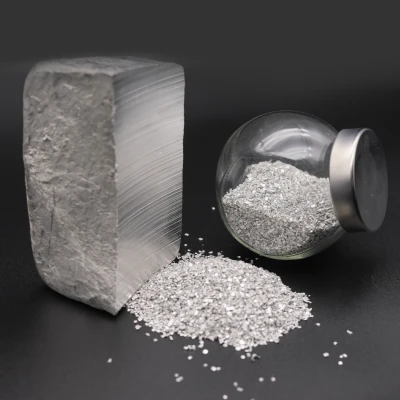
- Chemical Reactions: They're often used in chemical laboratories for various reactions. Magnesium is a great reducing agent, and it can be used to synthesize other compounds. You can learn more about the density of magnesium turnings on this page: Mg Turnings Density.
- Fire Starters: Magnesium shavings are excellent fire starters. They burn hot and fast, making them perfect for starting campfires or emergency fires. Check out this page for more info: Magnesium Shavings Fire Starter.
Conclusion
Disposing of magnesium metal turnings is a serious business, but with the right knowledge and precautions, it can be done safely and responsibly. Whether you choose to recycle, neutralize, or incinerate, always make sure you're following the local regulations and safety guidelines.
If you're in the market for high - quality magnesium metal turnings, I'm here to help. I've got a great supply of these turnings that are perfect for a variety of applications. Whether you're a researcher, a hobbyist, or a manufacturer, I can provide you with the right product. Just reach out, and we can start a conversation about your needs.
References
- Handbook of Magnesium Properties, Processing and Applications
- Local environmental protection agency guidelines
- Safety data sheets for magnesium metal turnings