

Hey there! As a supplier of Magnesium Turnings Machine Chips, I often get asked about the cutting parameters for processing these chips. So, I thought I'd share some insights on this topic.
First off, let's understand what magnesium turnings machine chips are. These are small, thin pieces of magnesium that are produced during the machining process. They have various applications, which you can learn more about by checking out Magnesium Turnings Uses.
Now, when it comes to cutting parameters, there are several key factors to consider. The main ones include cutting speed, feed rate, and depth of cut.
Cutting Speed
Cutting speed is super important. It refers to how fast the cutting tool moves relative to the workpiece. For magnesium turnings machine chips, a relatively high cutting speed is usually recommended. Magnesium is a soft metal, and a higher cutting speed helps in achieving a better surface finish and reduces the chances of built - up edge formation.
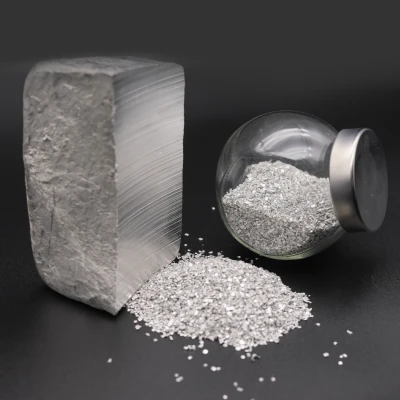

Typically, the cutting speed for magnesium can range from 300 to 1000 meters per minute. However, this can vary depending on the specific type of magnesium alloy, the cutting tool material, and the machine's capabilities. For example, if you're using a high - speed steel (HSS) cutting tool, you might aim for a lower end of the speed range, say around 300 - 500 meters per minute. On the other hand, if you're using a carbide cutting tool, you can go for the higher end, up to 1000 meters per minute.
Feed Rate
The feed rate is how fast the cutting tool advances into the workpiece. It's measured in millimeters per revolution (mm/rev) for turning operations. For magnesium turnings, a moderate to high feed rate is generally a good idea. A feed rate between 0.1 and 0.5 mm/rev is common.
A higher feed rate can increase the material removal rate, which means you can produce more chips in less time. But be careful not to go too high, as it can lead to poor surface quality and increased tool wear. If you're after a very smooth surface finish, you might want to stick to the lower end of the feed rate range.
Depth of Cut
The depth of cut is the thickness of the layer of material that is removed in each pass of the cutting tool. For magnesium turnings machine chips, a depth of cut between 0.5 and 3 millimeters is typical. A larger depth of cut can remove more material at once, but it also puts more stress on the cutting tool and the machine.
If your machine has a high power and rigidity, you can go for a larger depth of cut. However, if you're using a smaller or less powerful machine, it's better to keep the depth of cut on the lower side. This helps in preventing tool breakage and ensures a more stable cutting process.
Other Considerations
Apart from these main cutting parameters, there are a few other things to keep in mind. One is the coolant. Using a coolant is crucial when processing magnesium turnings. It helps in reducing the temperature at the cutting zone, which in turn reduces tool wear and improves the surface finish. A water - based coolant is often a good choice for magnesium machining.
Another important thing is the cutting tool geometry. The shape and angles of the cutting tool can have a big impact on the cutting process. For magnesium, a sharp cutting edge with a positive rake angle is usually preferred. This helps in easier chip formation and reduces the cutting forces.
Also, it's essential to be aware of the Magnesium Shavings Hazards. Magnesium is a highly flammable metal, and the chips can pose a fire risk. So, proper safety measures should be in place during the machining process. Make sure there are no sources of ignition nearby, and have appropriate fire - fighting equipment on hand.
Density and Its Impact
The density of magnesium turnings also plays a role in the processing. You can find more details about Mg Turnings Density. The density affects how the chips are formed and how they behave during the cutting process. A lower density means the chips are lighter, which can sometimes make them easier to handle and remove from the cutting zone.
In conclusion, getting the right cutting parameters for processing magnesium turnings machine chips is a balance. You need to consider the cutting speed, feed rate, depth of cut, coolant, tool geometry, and safety. By fine - tuning these parameters, you can achieve efficient and high - quality machining of magnesium turnings.
If you're in the market for high - quality Magnesium Turnings Machine Chips, I'd love to have a chat with you. Whether you're a small - scale workshop or a large manufacturing plant, I can provide you with the best products that meet your specific needs. Don't hesitate to reach out for a discussion on your requirements and how we can work together to get the most out of your magnesium machining operations.
References
- "Machining of Metals: An Introduction to the Mechanics and Processes of Cutting and Grinding" by Paul DeGarmo, J. T. Black, and Ronald Kohser.
- "Modern Manufacturing Processes" by Rajender Singh.