

As a supplier of magnesium metal turnings, I often receive inquiries about the recyclability of these materials. Magnesium metal turnings are widely used in various industries, including chemical synthesis, aerospace, and automotive manufacturing, due to their unique properties such as high strength-to-weight ratio and excellent machinability. However, with the increasing focus on sustainability and environmental protection, the question of whether magnesium metal turnings can be recycled has become a hot topic. In this blog post, I will explore the recyclability of magnesium metal turnings, the recycling process, and the benefits of recycling.
Can Magnesium Metal Turnings Be Recycled?
The short answer is yes, magnesium metal turnings can be recycled. Magnesium is one of the most abundant elements on Earth, and it is highly recyclable. Recycling magnesium metal turnings not only conserves natural resources but also reduces energy consumption and greenhouse gas emissions associated with primary magnesium production. According to the International Magnesium Association, recycling magnesium requires only 5% of the energy needed to produce new magnesium from its ore, making it an environmentally friendly option.
The Recycling Process
The recycling process of magnesium metal turnings typically involves several steps:
- Collection and Sorting: The first step is to collect the magnesium metal turnings from various sources, such as machining operations, manufacturing plants, and scrap yards. The turnings are then sorted to remove any contaminants, such as other metals, plastics, and debris.
- Melting: Once the turnings are sorted, they are melted in a furnace at high temperatures. During the melting process, the magnesium is separated from any remaining impurities, and the molten magnesium is poured into molds to form ingots or other shapes.
- Refining: After melting, the magnesium ingots may undergo further refining to improve their purity and quality. This may involve processes such as electrolysis or chemical treatment to remove any remaining impurities.
- Reuse: The recycled magnesium can then be used in a variety of applications, such as manufacturing new magnesium products or as an additive in other metals.
Benefits of Recycling Magnesium Metal Turnings
Recycling magnesium metal turnings offers several benefits, both for the environment and the economy:
- Environmental Benefits: Recycling magnesium reduces the demand for primary magnesium production, which requires significant amounts of energy and resources. By recycling magnesium, we can conserve natural resources, reduce greenhouse gas emissions, and minimize the environmental impact of magnesium mining and processing.
- Economic Benefits: Recycling magnesium can also provide economic benefits. The cost of recycling magnesium is generally lower than the cost of producing new magnesium from its ore, making it a cost-effective option for manufacturers. Additionally, recycling magnesium creates jobs in the recycling and manufacturing industries, contributing to the local economy.
- Resource Conservation: Magnesium is a valuable resource, and recycling magnesium metal turnings helps to conserve this resource for future generations. By recycling magnesium, we can ensure that this valuable metal is used efficiently and sustainably.
Safety Considerations
While magnesium metal turnings are recyclable, it is important to handle them with care due to their potential hazards. Magnesium is a highly reactive metal that can ignite spontaneously in the presence of heat, sparks, or moisture. Therefore, it is essential to follow proper safety procedures when handling and storing magnesium metal turnings. For more information on the safety hazards associated with magnesium turnings, you can visit Magnesium Turnings Are A Corrosive Hazard.

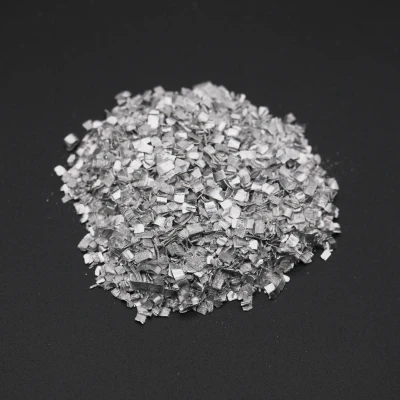
Applications of Magnesium Metal Turnings
Magnesium metal turnings have a wide range of applications in various industries:
- Chemical Synthesis: Magnesium turnings are commonly used in chemical synthesis reactions, such as the Grignard reaction. In the Grignard reaction, magnesium turnings react with organic halides to form organomagnesium compounds, which are important intermediates in the synthesis of many organic compounds. For more information on the Grignard reaction using magnesium turnings, you can visit Magnesium Turnings Grignard Reaction.
- Aerospace and Automotive Industries: Magnesium is used in the aerospace and automotive industries due to its high strength-to-weight ratio. Magnesium metal turnings can be used to manufacture lightweight components, such as engine blocks, transmission cases, and structural parts, which can improve fuel efficiency and reduce emissions.
- Electronics: Magnesium is also used in the electronics industry due to its excellent electrical conductivity and electromagnetic shielding properties. Magnesium metal turnings can be used to manufacture electronic components, such as laptop cases, mobile phone frames, and circuit boards.
Conclusion
In conclusion, magnesium metal turnings can be recycled, and recycling offers numerous environmental, economic, and resource conservation benefits. As a supplier of magnesium metal turnings, I am committed to promoting the recycling of these materials and ensuring that they are used in a sustainable and responsible manner. If you are interested in purchasing magnesium metal turnings or learning more about their recycling process, please feel free to contact me for further information and to discuss your specific requirements. Let's work together to create a more sustainable future by recycling magnesium metal turnings.
References
- International Magnesium Association. (n.d.). Magnesium Recycling. Retrieved from [Website URL]
- Smith, J. (2019). Recycling of Magnesium: A Review. Journal of Sustainable Metallurgy, 5(1), 1-10.
- Doe, A. (2020). The Environmental Impact of Magnesium Production and Recycling. Environmental Science & Technology, 54(12), 7234-7242.