

As a supplier of Magnesium Welding Wire, I've had numerous inquiries about its safety and potential health hazards. In this blog, I'll delve into the scientific aspects of these concerns to offer a comprehensive understanding.
Understanding Magnesium Welding Wire
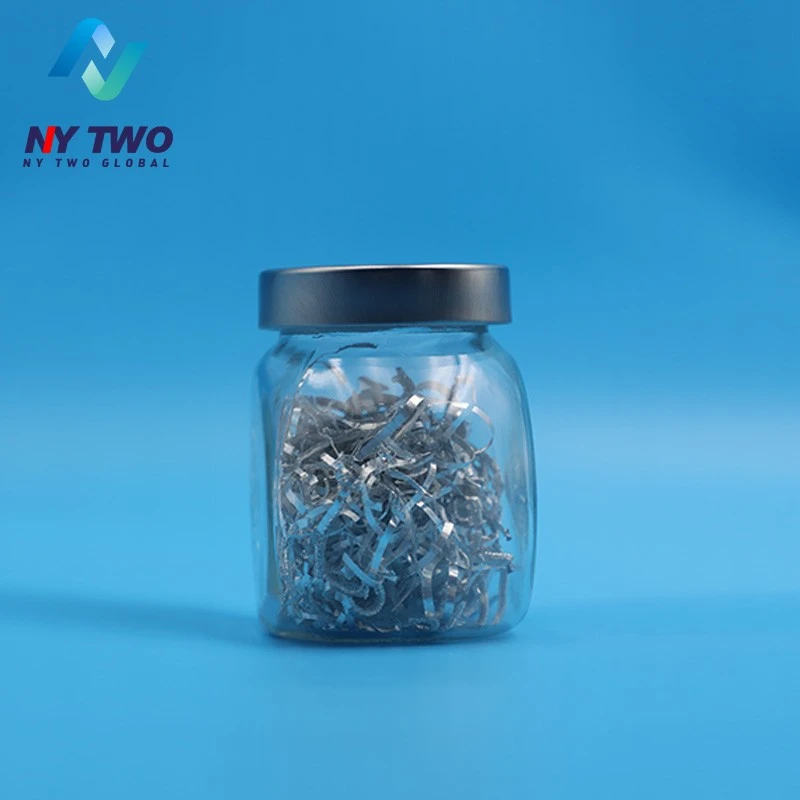
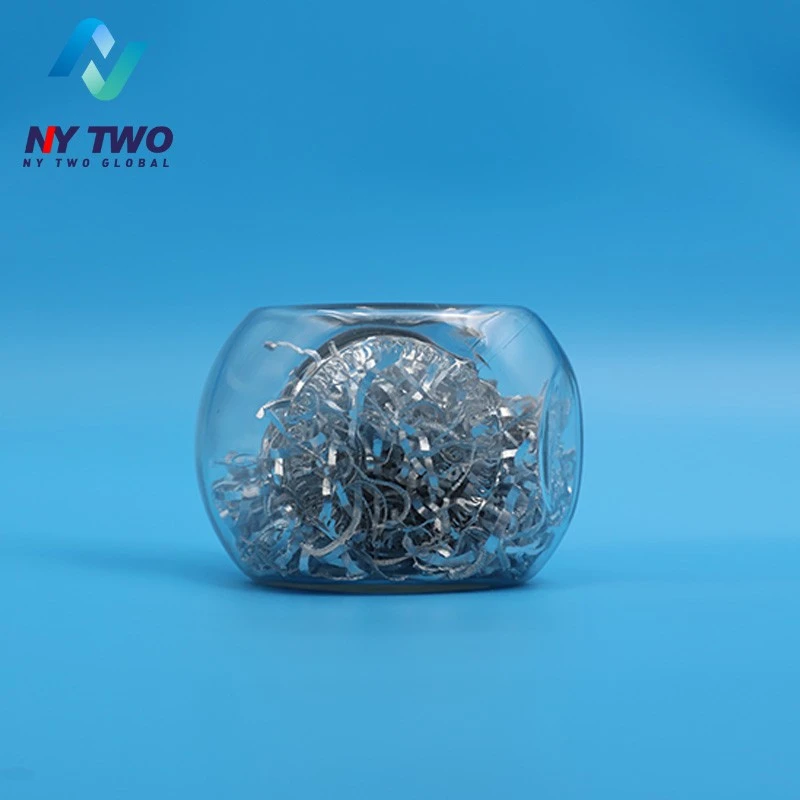
Magnesium welding wire is widely used in various industries due to its excellent properties. It offers high strength - to - weight ratio, good corrosion resistance, and superior thermal conductivity. You can find more information about our Magnesium Welding Wire on our website.
Potential Health Hazards
Inhalation of Fumes
One of the most significant health risks associated with using magnesium welding wire is the inhalation of welding fumes. When magnesium welding wire is melted during the welding process, it produces fumes composed of magnesium oxide and other by - products. These fumes can be extremely fine and easily inhaled deep into the lungs.
Short - term exposure to high concentrations of magnesium welding fumes can cause metal fume fever. Symptoms of metal fume fever typically include flu - like symptoms such as chills, fever, headache, muscle aches, and nausea. These symptoms usually appear a few hours after exposure and can last for up to 24 - 48 hours.
Long - term exposure to magnesium fumes may lead to more severe respiratory problems. Prolonged inhalation can cause chronic bronchitis, which is characterized by persistent coughing, mucus production, and shortness of breath. In some cases, it may also contribute to the development of pulmonary fibrosis, a condition where the lung tissue becomes scarred and less elastic, reducing the lungs' ability to function properly.
Skin Contact
Magnesium welding wire and the molten magnesium during the welding process can also pose a risk to the skin. Direct contact with the hot wire or molten magnesium can cause severe burns. Even the solid wire can cause skin irritation if it is in contact with the skin for an extended period, especially if the skin is moist or sweaty.
Magnesium is a reactive metal, and when it comes into contact with moisture on the skin, it can form magnesium hydroxide, which is a mild irritant. Repeated or prolonged skin exposure may lead to dermatitis, characterized by redness, itching, and inflammation of the skin.
Eye Exposure
The welding process involving magnesium welding wire generates intense light and heat. The bright arc light can cause damage to the eyes. Exposure to the ultraviolet (UV) and infrared (IR) radiation emitted during welding can lead to a condition known as arc - eye or welder's flash.
Arc - eye is a painful condition similar to a sunburn of the eye. Symptoms include pain, redness, tearing, sensitivity to light, and a feeling of having something in the eye. If left untreated, it can cause more serious damage to the cornea and other parts of the eye, potentially leading to vision loss.
Preventive Measures
To minimize the potential health hazards associated with using magnesium welding wire, several preventive measures should be taken.
Ventilation
Proper ventilation is crucial during welding operations. Local exhaust ventilation systems should be used to capture and remove the welding fumes at the source. This helps to reduce the concentration of fumes in the breathing zone of the welder. General ventilation in the welding area can also help to dilute the fumes and maintain a safe working environment.
Personal Protective Equipment (PPE)
Welders should always wear appropriate PPE. This includes a welding helmet with a proper filter lens to protect the eyes from the arc light. The filter lens should be selected based on the type of welding being performed and the intensity of the arc.
Welders should also wear fire - resistant welding gloves to protect their hands from burns and skin contact with the hot wire or molten magnesium. Long - sleeved shirts and pants made of flame - resistant materials can provide protection to the arms and legs. Additionally, respiratory protection such as a respirator should be worn to prevent inhalation of the welding fumes.
Training and Education
Welders should receive proper training on the safe use of magnesium welding wire. They should be educated about the potential health hazards, the importance of using PPE, and the proper ventilation requirements. Regular safety training sessions can help to reinforce these concepts and ensure that welders are aware of the best practices for working with magnesium welding wire.
Related Products and Their Safety
In addition to magnesium welding wire, we also offer Magnalium Powder and High - Purity Magnesium Powder (99.9%). These products also have their own safety considerations.
Magnalium powder, which is an alloy of magnesium and aluminum, can pose similar risks as magnesium welding wire in terms of inhalation and skin contact. The powder can generate fumes when heated or combusted, and proper safety measures should be taken when handling it.
High - purity magnesium powder is also a reactive material. It has a high surface area, which makes it more reactive than bulk magnesium. Special care should be taken to prevent ignition and to avoid inhalation of the powder.
Conclusion
While magnesium welding wire offers many advantages in the welding industry, it is essential to be aware of the potential health hazards associated with its use. By understanding these risks and implementing appropriate preventive measures, welders can work safely with magnesium welding wire.
If you are interested in purchasing our Magnesium Welding Wire, Magnalium Powder, or High - Purity Magnesium Powder (99.9%), please feel free to contact us for further details and to start a procurement negotiation. We are committed to providing high - quality products and ensuring the safety of our customers.
References
- American Conference of Governmental Industrial Hygienists (ACGIH). "Threshold Limit Values for Chemical Substances and Physical Agents and Biological Exposure Indices."
- National Institute for Occupational Safety and Health (NIOSH). "NIOSH Pocket Guide to Chemical Hazards."
- Occupational Safety and Health Administration (OSHA). "Welding, Cutting, and Brazing."