

What is the desulfurization mechanism of magnesium desulfurization reagent in gas - phase systems?
As a supplier of Magnesium Desulfurization Reagent, I've witnessed firsthand the growing demand for efficient desulfurization solutions in various industrial sectors. In this blog post, I'll delve into the desulfurization mechanism of magnesium desulfurization reagent in gas - phase systems, exploring the science behind its effectiveness and why it's a top choice for many industries.
Understanding the Basics of Gas - Phase Desulfurization
Gas - phase desulfurization is a crucial process in industries such as power generation, steelmaking, and chemical production. Sulfur compounds, particularly sulfur dioxide (SO₂) and hydrogen sulfide (H₂S), are common pollutants in industrial gases. These compounds not only contribute to environmental problems like acid rain but also cause corrosion in equipment and pipelines. Therefore, removing sulfur from gas streams is essential for environmental compliance and the longevity of industrial facilities.
The Role of Magnesium in Desulfurization
Magnesium desulfurization reagents, such as magnesium oxide (MgO), magnesium hydroxide (Mg(OH)₂), and elemental magnesium, have been widely used in gas - phase desulfurization due to their high reactivity and efficiency. The desulfurization mechanism of magnesium - based reagents involves several chemical reactions, which can be divided into two main steps: adsorption and reaction.
Adsorption
The first step in the desulfurization process is the adsorption of sulfur compounds onto the surface of the magnesium desulfurization reagent. Magnesium - based materials have a large surface area and high porosity, which provide numerous active sites for the adsorption of sulfur species. For example, when magnesium oxide is used as a desulfurization reagent, sulfur dioxide in the gas phase can be physically adsorbed onto the surface of MgO particles.
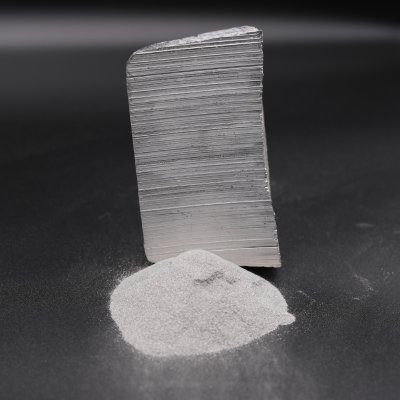
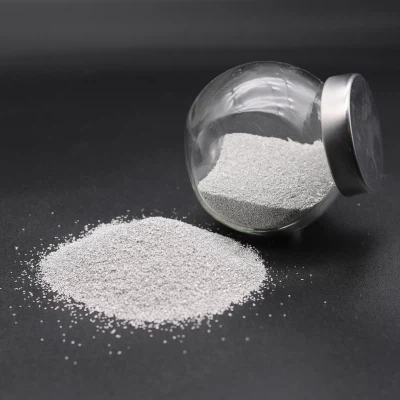
The adsorption process is influenced by several factors, including the temperature, gas flow rate, and the concentration of sulfur compounds in the gas stream. Generally, lower temperatures favor physical adsorption, as the kinetic energy of the gas molecules is lower, allowing them to be more easily captured by the surface of the adsorbent.
Reaction
After adsorption, the sulfur compounds react with the magnesium desulfurization reagent to form stable sulfur - containing products. The reaction mechanisms vary depending on the type of magnesium reagent and the sulfur compound involved.
Reaction with Sulfur Dioxide (SO₂)
When using magnesium oxide (MgO) as a desulfurization reagent, the reaction with sulfur dioxide can be represented by the following equations:
-
First, MgO reacts with water vapor in the gas phase to form magnesium hydroxide:
MgO + H₂O → Mg(OH)₂ -
Then, magnesium hydroxide reacts with sulfur dioxide to form magnesium sulfite:
Mg(OH)₂+ SO₂ → MgSO₃+ H₂O -
In the presence of oxygen, magnesium sulfite can be further oxidized to magnesium sulfate:
2MgSO₃+ O₂ → 2MgSO₄
The formation of magnesium sulfate is highly desirable, as it is a stable and non - toxic compound that can be easily separated from the gas stream.
Reaction with Hydrogen Sulfide (H₂S)
Elemental magnesium can react directly with hydrogen sulfide in the gas phase. The reaction is as follows:
Mg + H₂S → MgS + H₂
Magnesium sulfide (MgS) is a solid product that can be removed from the gas stream through filtration or other separation methods.
Advantages of Magnesium Desulfurization Reagents in Gas - Phase Systems
There are several advantages of using magnesium desulfurization reagents in gas - phase systems:
High Efficiency
Magnesium - based reagents have a high reactivity with sulfur compounds, which allows for rapid and efficient desulfurization. They can achieve high desulfurization rates even at relatively low reagent dosages.
Low Cost
Compared to some other desulfurization reagents, magnesium - based materials are relatively inexpensive. Magnesium is abundant in nature, and the production of magnesium desulfurization reagents is cost - effective.
Environmental Friendliness
The reaction products of magnesium desulfurization, such as magnesium sulfate and magnesium sulfide, are generally non - toxic and can be safely disposed of or recycled. This makes magnesium desulfurization a more environmentally friendly option compared to some other desulfurization processes.
Versatility
Magnesium desulfurization reagents can be used in a wide range of gas - phase desulfurization applications, including flue gas desulfurization in power plants, desulfurization of industrial waste gases, and desulfurization in the steelmaking process.
Applications of Magnesium Desulfurization Reagents
Magnesium desulfurization reagents have a wide range of applications in different industries:
Power Generation
In coal - fired power plants, flue gas desulfurization (FGD) is a critical process to reduce sulfur dioxide emissions. Magnesium - based FGD systems have been increasingly adopted due to their high efficiency and low operating costs. For more information on magnesium reagents for hot metal desulfurization, you can visit Magnesium Reagent For Hot Metal Desulfurization.
Steelmaking
During the steelmaking process, sulfur in the molten iron can affect the quality of the steel. Magnesium desulfurization reagents are used to remove sulfur from the hot metal, improving the mechanical properties and quality of the final steel product.
Chemical Industry
In the chemical industry, magnesium desulfurization reagents are used to treat industrial waste gases containing sulfur compounds, ensuring environmental compliance and protecting equipment from corrosion. You can learn more about the uses of magnesium chips in desulfurization at Magnesium Chips Uses.
Magnesium Grindings in Desulfurization
Magnesium grindings are also an important form of magnesium desulfurization reagent. They have a high surface area and reactivity, which can enhance the desulfurization efficiency. Magnesium grindings can be used in both dry and wet desulfurization processes. For more details about magnesium grindings, please visit Magnesium Grindings.
Contact Us for Magnesium Desulfurization Reagents
If you're looking for a reliable supplier of magnesium desulfurization reagents, we're here to help. Our company offers a wide range of high - quality magnesium desulfurization products, including magnesium oxide, magnesium hydroxide, and magnesium grindings. We have extensive experience in the desulfurization industry and can provide customized solutions to meet your specific requirements.
Whether you're in the power generation, steelmaking, or chemical industry, our magnesium desulfurization reagents can help you achieve efficient and cost - effective desulfurization. Contact us today to start a discussion about your desulfurization needs and explore how our products can benefit your operations.
References
- Zhang, Y., & He, Y. (2018). Research progress on desulfurization technology of flue gas. Environmental Science and Pollution Research, 25(1), 1 - 11.
- Li, X., & Wang, J. (2019). Mechanism and application of magnesium desulfurization in industrial waste gas treatment. Journal of Environmental Engineering, 30(2), 123 - 130.
- Chen, S., & Liu, H. (2020). Kinetics of the reaction between magnesium oxide and sulfur dioxide in flue gas desulfurization. Chemical Engineering Journal, 390, 124567.