

Hey there! I'm a supplier of Magnesium Turnings, and I often get asked about the regulations for transporting this stuff. It's a crucial topic, especially considering the unique properties of magnesium turnings. So, let's dive right in and explore what you need to know.
First off, magnesium turnings are pretty cool. They're used in a bunch of industrial processes, like the Magnesium Turnings Grignard Reaction. This reaction is super important in organic chemistry, allowing chemists to create all sorts of complex molecules. But because of their chemical nature, transporting magnesium turnings isn't as simple as shipping a box of pencils.
One of the main concerns when it comes to transporting magnesium turnings is their flammability. Magnesium is a highly reactive metal, and in the form of turnings, it has a large surface area, which means it can catch fire more easily. When magnesium burns, it burns really hot, and it can be quite difficult to extinguish. Water isn't effective because magnesium reacts with water to produce hydrogen gas, which can make the fire even worse. So, special precautions need to be taken during transportation.
In most countries, magnesium turnings are classified as a hazardous material. This means that there are strict regulations governing how they can be transported. For starters, they need to be properly packaged. The packaging must be able to prevent any leakage and protect the turnings from moisture and other potential hazards. It should also be labeled clearly with the appropriate hazard warnings.
The transportation of hazardous materials like magnesium turnings is usually regulated by government agencies. In the United States, for example, the Department of Transportation (DOT) has a set of rules called the Hazardous Materials Regulations (HMR). These regulations cover everything from the packaging and labeling requirements to the training of the people involved in the transportation.
When it comes to packaging, magnesium turnings are typically packed in sealed containers made of materials that are resistant to corrosion and can withstand the high temperatures that might be generated if a fire were to occur. The containers are often placed in larger outer packaging, like drums or boxes, which provides an extra layer of protection.
Labeling is also crucial. The containers must be labeled with the name of the material, its hazard class (in this case, flammable solid), and any other relevant information, such as the UN number. The UN number is a unique identifier for hazardous materials, and it helps emergency responders quickly identify the material in case of an accident.
Another important aspect of transporting magnesium turnings is the training of the people involved. The drivers, handlers, and anyone else who comes into contact with the turnings during transportation need to be trained on how to handle them safely. This includes knowing how to recognize the signs of a potential hazard, how to respond in case of an emergency, and how to follow the proper procedures for loading and unloading the turnings.
It's also important to note that different modes of transportation have their own specific regulations. For example, if you're shipping magnesium turnings by air, the International Air Transport Association (IATA) has its own set of rules. These rules are even more strict than the regulations for ground transportation because of the unique risks associated with flying.
When shipping by sea, the International Maritime Dangerous Goods (IMDG) Code applies. This code sets out the requirements for the packaging, labeling, and stowage of hazardous materials on ships. It's designed to ensure the safety of the crew, the ship, and the environment.
In addition to the flammability hazard, magnesium turnings can also be a Magnesium Turnings Are A Corrosive Hazard. They can react with certain substances to produce corrosive compounds, which can damage the packaging and other materials in contact with them. So, it's important to store and transport them in a way that minimizes the risk of corrosion.
The Magnesium Turnings Molecular Formula is Mg. This simple formula represents the basic building block of magnesium turnings. Understanding the chemical properties of magnesium is essential for ensuring its safe transportation.
As a supplier of magnesium turnings, I take these regulations very seriously. I work closely with my customers to make sure that they understand the requirements for transporting the turnings and that they have the necessary permits and documentation. I also make sure that the turnings are properly packaged and labeled before they leave my facility.
If you're in the market for magnesium turnings, it's important to choose a supplier who is knowledgeable about the transportation regulations. A reliable supplier will be able to provide you with all the information you need to ensure that the turnings are transported safely and legally. They'll also be able to help you navigate the complex world of hazardous materials transportation.
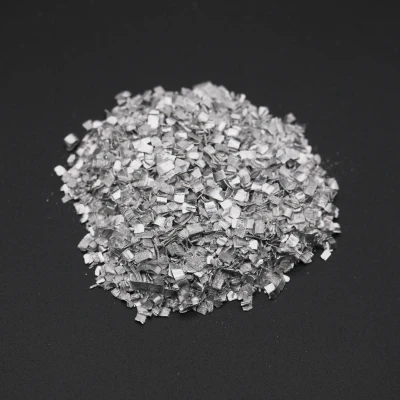

So, if you're interested in purchasing magnesium turnings for your business, don't hesitate to get in touch. I'd be more than happy to discuss your needs and answer any questions you might have. Whether you're a small research lab or a large industrial manufacturer, I can provide you with high-quality magnesium turnings and the support you need to transport them safely.
In conclusion, transporting magnesium turnings is a complex process that requires strict adherence to regulations. The flammability and corrosive nature of magnesium turnings mean that special precautions need to be taken to ensure the safety of everyone involved. By working with a reputable supplier and following the proper procedures, you can ensure that your magnesium turnings are transported safely and efficiently.
References:
- Department of Transportation (DOT), Hazardous Materials Regulations (HMR)
- International Air Transport Association (IATA) regulations
- International Maritime Dangerous Goods (IMDG) Code